
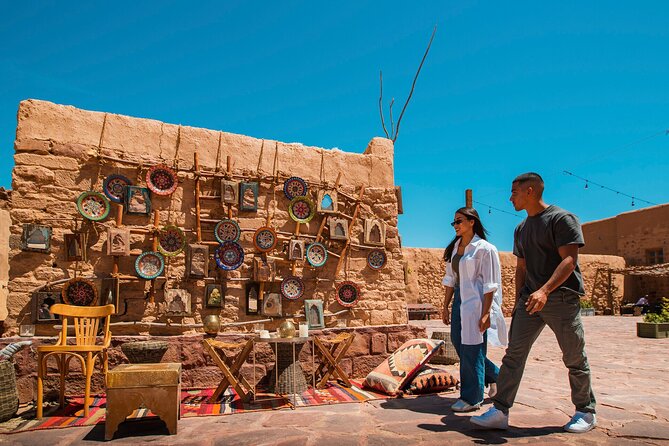
REVIEW · ALULA TOURS
AlUla Old Town Experience
Old walls still tell AlUla’s story. This one-hour walk takes you through a former meeting place for pilgrims, traders, and permanent settlers, with 900 houses, 500 shops, and five town squares spread among old stone and mudbrick buildings. I like the mix of history and everyday atmosphere, especially the chance to see an old town that was inhabited until the early 1980s rather than a site preserved only as ruins.
I also like the practical setup: pickup and drop-off at Winter Park, entrance included, and driver assistance in English or Arabic. The main drawback is the short visit. One hour gives you a useful introduction, but not much time for a slow look at every lane, shop, café, or historic detail. The non-refundable booking rule also calls for care when choosing your date.
In This Review
- Key points to know before you book
- Why AlUla Old Town feels different from a remote ruin
- Walking through 900 houses and 500 shops
- AlUla Castle gives the walk a clear landmark
- What the Rawi adds to a one-hour visit
- Restored lanes, cafés, shops, and a henna stop
- Is $27 good value for one hour?
- The practical plan: 9 a.m. from Winter Park
- Who will enjoy this Old Town experience most?
- What I would plan around the visit
- Should you book AlUla Old Town?
- FAQ
- How long does the AlUla Old Town Experience last?
- Where does the experience start?
- Is admission included in the price?
- Is a guide included?
- What is not included?
- Can I cancel or change my booking?
Key points to know before you book
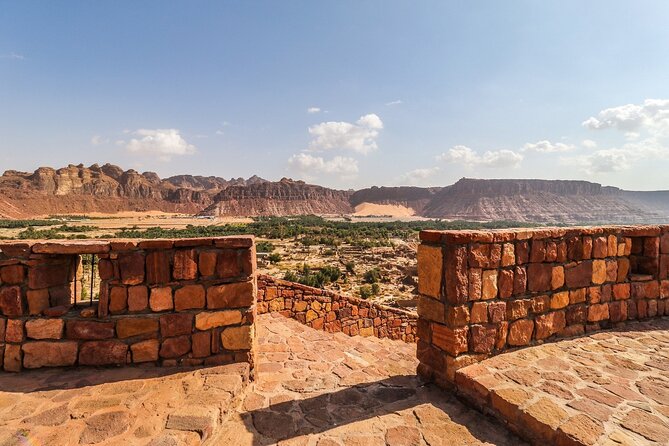
- A living town until the early 1980s: AlUla Old Town connects ancient settlement patterns with a much more recent past.
- A Rawi-led walk: The local guide format adds stories about pilgrims, settlers, and the way the town was built.
- 900 houses and five squares: The size of the old settlement is easy to underestimate until you see how its lanes fit together.
- AlUla Castle views: The castle, dating to the 10th century, gives the walk a strong historic focal point.
- Modern comforts around old buildings: Restored streets now include shops, cafés, restaurants, and places to try henna.
- Best for a compact introduction: At about one hour and $27 per person, this suits a first look more than a full heritage day.
Why AlUla Old Town feels different from a remote ruin
AlUla Old Town is not simply a cluster of abandoned walls. Its appeal comes from the fact that people lived, traded, worshiped, and passed through this place over a long period, with settlement continuing into the early 1980s. That recent endpoint makes the site easier to picture as a working community rather than a distant archaeological puzzle.
Pilgrims and other visitors came through AlUla, while permanent settlers built homes and shops around the needs of daily life. The town’s lanes, squares, and buildings reflect those overlapping uses. You are not looking at one grand monument. You are reading the shape of a whole community.
That is where the Rawi, the local guide, matters. The walk is designed to explain the people connected to the town, their reasons for settling or passing through, and the methods used to build it. A short guided visit can turn a maze of walls into a place with purpose.
You can also explore on your own, according to the tour description. Still, I would favor the Rawi-led option if it is available during your visit. The physical remains are interesting, but the oral stories and living memory are what make this old town different from AlUla’s other heritage sites.
More things to do in AlUla:
- Visiting The Incredible Heritage Site Hegra in AlUla
★ 4.6 · 93 reviews - Hegra Al Ula: Sunrise Hot Air Balloon Flight
★ 4.6 · 43 reviews - Al Ula: Dadan and Jabal Ikmah Tombs Guided Tour
★ 4.2 · 26 reviews
Walking through 900 houses and 500 shops

The numbers give you a sense of scale. AlUla Old Town includes around 900 houses, 500 shops, and five town squares. You will not inspect every building during a one-hour visit, but those figures explain why the place feels like a town rather than a single attraction.
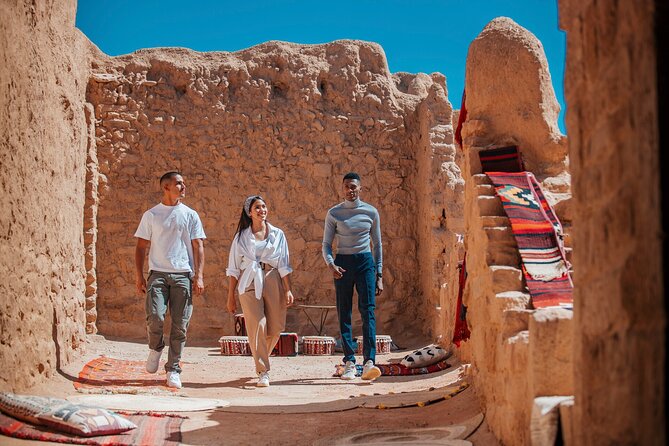
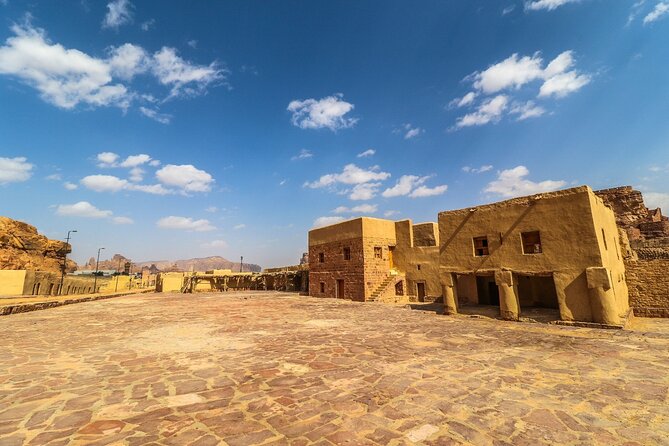
The route takes you through remnants of original stone and mudbrick construction. These materials are central to the look of AlUla Old Town, and their rough surfaces help you see how closely homes, shops, and public spaces were connected. Some buildings have been carefully restored, while others retain the worn appearance that makes the old lanes feel rooted in the past.
I like the way the town encourages you to look down the side streets and across the open squares. The best moments may not be the most obvious ones. A narrow passage, a line of mudbrick walls, or the view from a square can show more about the old settlement than a single decorated building.
The short duration does shape the experience. You should expect a guided introduction, not a full architectural survey. If you are keen on building methods, oral history, or photography, you may want to allow extra time around the visit for independent browsing, shopping, or food.
AlUla Castle gives the walk a clear landmark
The view toward AlUla Castle adds a useful point of reference. Dating to the 10th century, the castle helps connect the old town’s lanes with the wider history of the area. It is also a reminder that AlUla was not just a residential quarter. Its position and settlement patterns had wider importance.
The castle view is part of the pleasure of walking here. Instead of seeing each wall as an isolated fragment, you can understand the town as a connected place with homes, commercial areas, gathering points, and a protective or strategic feature nearby.
Do not book this experience only for a castle visit, though. The tour centers on Old Town, and the castle is one element within that setting. If you want a long visit focused on a single major monument, this is not that kind of outing. If you like seeing how a community fits together, the castle makes the town easier to understand.
What the Rawi adds to a one-hour visit
The Rawi is presented as the person who leads the walk and explains the town’s human story. That role matters because AlUla Old Town contains many similar-looking walls and lanes. Without context, you could admire the texture of the buildings but miss why the settlement developed as it did.
You can expect the guide to cover the town’s settlers and pilgrims, along with the motives and building methods behind its construction. That gives the hour a clear shape. You move from the physical remains to the people who used them, then to the reasons the town grew in this form.
Driver assistance is available in English or Arabic. The information provided does not give individual guide names, so you should not book this expecting a particular named guide. The group can reach a maximum of 30 people, which is worth noting. A group of that size may feel less intimate than a private walk, especially in narrow lanes, though the larger capacity can make the experience easier to fit into a busy AlUla schedule.
The tour can also be taken on your own. That may suit you if you prefer setting your own pace, but the guided version should be more useful if you want the oral histories and background that are difficult to pick up from the walls alone.
A completely different kind of day:
- AlUla: Discover AlUla Like a Local Guided Tour
★ 5.0 · 25 reviews - From AlUla: Hegra Tour
★ 3.9 · 25 reviews - Alula Full Day Tour
★ 4.5 · 22 reviews - Half day Hegra Experience
★ 3.5 · 15 reviews
Restored lanes, cafés, shops, and a henna stop
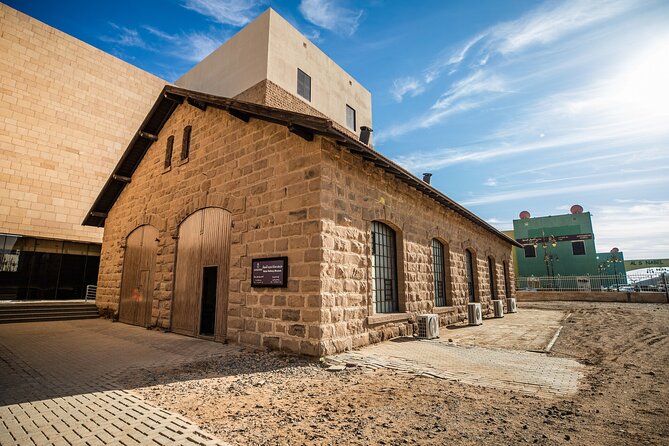
AlUla Old Town has been restored with modern visitor comforts around the historic buildings. You might find cafés, restaurants, shops, and a shopping area close to the old lanes. This makes the visit easier to pair with a meal or a little browsing, though food and drinks are not included in the $27 price.
The modern additions are part of the appeal, but they may also affect what you expect. This is not a completely untouched settlement where every building remains exactly as it was. It is an old town being brought back into public use, with new commercial activity placed around the historic core.
One especially practical suggestion comes from the henna shop. You can try henna designs there, and the experience is described as reasonably priced. If that interests you, set aside time for it rather than assuming the one-hour walk will include a long stop. The tour price does not cover personal purchases.
The combination of old buildings, cafés, shopping, and henna gives the visit a broader feel than a simple guided heritage walk. You can focus on architecture and oral history, then continue with a relaxed look at the newer visitor spaces. Just remember that the formal experience itself is only about an hour.
Is $27 good value for one hour?
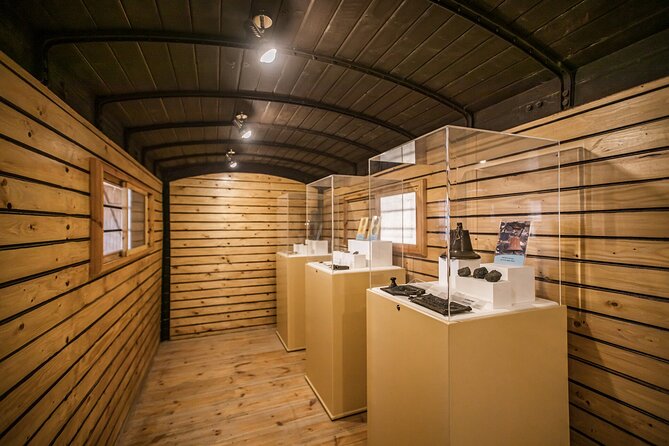
At $27 per person, the value depends on what you want from the visit. The price includes entrance fees, pickup and drop-off at Winter Park in AlUla, and driver assistance in English or Arabic. For a compact, organized introduction with a guide, that is a fair price, especially if you are already planning to visit Old Town.
The price is less attractive if you want a long, flexible exploration. The walk lasts about one hour, and food, beverages, henna, shopping, and other personal expenses cost extra. You are paying for access, transport from the stated meeting point, and a focused explanation of the site, not an entire half-day program.
I see the strongest value for first-time visitors who want structure. You will learn why the town mattered, see its main layout, and gain enough context to make a later independent visit more rewarding. If you already know AlUla Old Town well, the short format may feel limited.
The experience is booked around 18 days in advance on average. That suggests you should plan ahead, particularly if your time in AlUla is fixed. Since the booking is non-refundable and cannot be changed, check your schedule carefully before paying.
The practical plan: 9 a.m. from Winter Park
The stated start time is 9 a.m., with pickup and drop-off at Winter Park in AlUla. That gives you a clear meeting point and removes the need to arrange separate transport to the old town. The exact pickup process should be checked at booking, but Winter Park is the supplied start and return location.
A one-hour morning visit is easy to combine with other plans. You could use it as an orientation at the beginning of your day, then return later for cafés or shops if your schedule allows. You could also place it between other AlUla activities without giving up a large block of time.
The maximum group size is 30 people. Most people can take part, according to the supplied participation information. No special physical restriction is stated, but this remains a walking visit through old lanes and building remains, so you should consider your own comfort with walking before booking.
Poor weather can cancel the experience. If that happens, you will be offered another date or a full refund. The same applies if the minimum number of participants is not reached, with the choice of another date or experience, or a full refund.
Who will enjoy this Old Town experience most?
I would recommend it most strongly to first-time visitors who want a clear introduction to AlUla’s settled past. The Rawi format, the castle view, and the explanation of pilgrims and builders give you more than a quick stroll through attractive old walls.
It also suits people who enjoy places with a recent human connection. Because the town was inhabited until the early 1980s, you can think about real communities and living memory, not only ancient dates. That adds a personal layer to the visit.
Families and mixed-age groups may appreciate the one-hour length. The tour is short enough to fit into a larger day, and the nearby shops, cafés, restaurants, and henna option offer something for people with different interests.
It may be less suitable if you want an unhurried photography session or a private architectural study. A group of up to 30 people and a fixed one-hour route can limit how long you spend in one spot. In that case, use the organized visit as your introduction, then explore independently if time permits.
What I would plan around the visit
I would arrive ready to focus on the town’s overall shape rather than chase one perfect building. Pay attention to how the houses, shops, and squares relate to one another, then use the Rawi’s explanation to connect those physical details with the lives of settlers and pilgrims.
I would also avoid treating the visit as a stand-alone food or shopping outing. Those extras are useful additions, but they are not included in the price and are not the core purpose of the tour. Bring a little extra money if you want henna, souvenirs, food, or drinks.
The old town has a strong visual appeal, with restored streets and traditional mudbrick buildings set alongside newer visitor facilities. The most worthwhile approach is to enjoy both sides without expecting the site to be untouched. AlUla is preserving the old town while making it usable again, and that balance is part of what you are seeing.
The current rating is 4.8 from six ratings, with particular praise for the preserved buildings, the blend of old and modern design, the shopping and restaurant areas, and the quality of the guide experience. Those points match the tour’s strongest features: a readable historic setting, useful context, and enough comfort to make a short visit easy.
Should you book AlUla Old Town?
Book it if you want a well-organized first look at AlUla Old Town, especially if you value local stories as much as old buildings. The $27 cost is reasonable when you include admission, Winter Park transport, and English or Arabic driver assistance.
Skip it if you need a long, private, self-directed visit or if you dislike fixed, non-refundable plans. For most first-time visitors, though, the one-hour format is a sensible introduction. Just choose your date carefully, arrive at Winter Park for the 9 a.m. start, and leave room afterward for the cafés, shops, restaurants, or a henna stop around the restored lanes.
FAQ
How long does the AlUla Old Town Experience last?
The experience lasts approximately one hour.
Where does the experience start?
Pickup and drop-off are provided at Winter Park in AlUla. The stated start time is 9 a.m.
Is admission included in the price?
Yes. Entrance fees are included in the $27 per person price.
Is a guide included?
You can explore on your own or be led by a Rawi. Driver assistance is available in English or Arabic.
What is not included?
Personal expenses, food, and beverages are not included.
Can I cancel or change my booking?
No. The experience is non-refundable and cannot be changed. If poor weather causes cancellation, or if the minimum number of participants is not reached, you will be offered another date or experience, or a full refund.
Just added in AlUla
- Coffee and Tea Party in Aljadidah★ 3.5 · 3 reviews
- Private Abseiling in Alula Desert.★ 5.0 · 2 reviews
- AlUla: Private Zipline Experience★ 5.0 · 1 review
- AlUla: Sharaan Platinum Dinner Safari★ 5.0 · 2 reviews
- AlUla: Hegra After Dark Show with Chariot Ride★ 5.0 · 2 reviews
- Al-Ula: Hegra, Dadan, and Ikmah Highlights Tour★ 4.6 · 2 reviews
- Al-Ula: Guided Horse Riding★ 5.0 · 3 reviews
- AlUla: Sharaan Nature Reserve★ 5.0 · 4 reviews
AlUla Tours, compared.
Visiting The Incredible Heritage Site Hegra in AlUla
Read our review →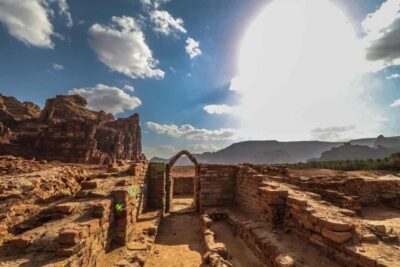



Al-Ula: Old Town, Hegra, and Elephant Rock Day Tour
Read our review →
Hegra Tour: AlUla’s No.1 Haven For Nature, Wildlife Lovers
Read our review →Browse the lists this tour appears in