

REVIEW · HEGRA AND THE ALULA TOMBS
Half day Hegra Experience
History comes alive among desert-carved tombs. This short Hegra tour gives you a useful introduction to Saudi Arabia’s first UNESCO World Heritage Site, where more than 110 Nabataean tombs were cut into huge rock formations. I like that the entrance fee is included, and I like having English or Arabic driver assistance to help explain what you are seeing.
The main thing to consider is the short running time. About two hours is enough for a focused visit, but Hegra is a large archaeological area, and you should not expect an in-depth day of exploration. The optional hotel pickup and drop-off from AlUla also add convenience, but the price varies depending on the option you book.
In This Review
- Key points to know before you go
- Why Hegra deserves a place in your AlUla plans
- What the two-hour visit includes
- Why a guide makes a real difference
- The tombs: more than impressive stone façades
- Jabal Ithlib and the Tomb of Lihyan son of Kuza
- Is $27 good value?
- Transport, language, and group size
- Weather and cancellation caution
- Who will enjoy this Hegra tour most?
- Should you book the Half-Day Hegra Experience?
- FAQ
- How long does the Hegra experience last?
- Is the Hegra entrance fee included?
- Is hotel pickup available?
- What language assistance is provided?
- What sights are included at Hegra?
- What is the maximum group size?
- Can I cancel for a refund?
Key points to know before you go
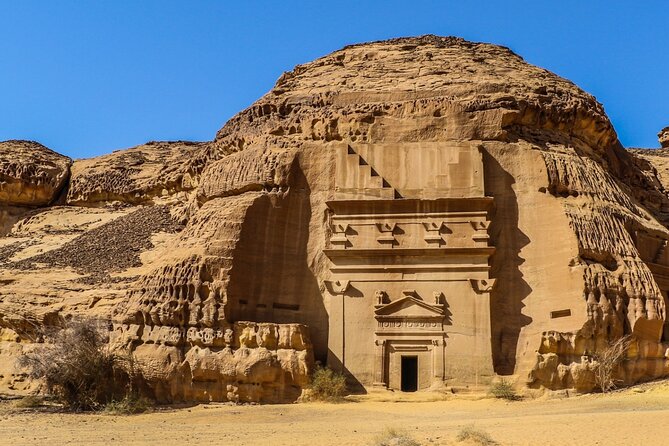
- More than 110 rock-cut tombs: Hegra offers a striking look at Nabataean burial customs outside Petra.
- Jabal Ithlib and the Tomb of Lihyan: These are important named sights included in the visit.
- About two hours on site: The tour suits a quick introduction, not a slow archaeological study.
- Entrance fee included: The $27 starting price covers admission, which helps simplify planning.
- English or Arabic assistance: A guide or driver can add context that is easy to miss when visiting alone.
- Pickup is optional: Hotel collection and return from AlUla can be arranged at an additional rate.
Why Hegra deserves a place in your AlUla plans
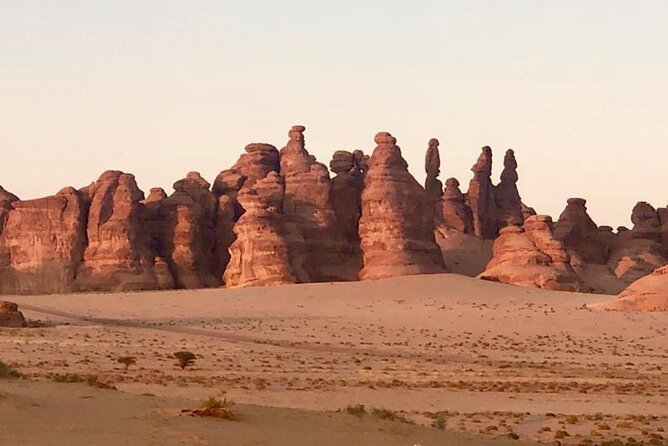
Hegra is the largest preserved site of the Nabataean civilization south of Petra. That comparison matters because many people first encounter the Nabataeans through Petra in Jordan. Hegra lets you see another major center of the same civilization, in Saudi Arabia’s AlUla region.
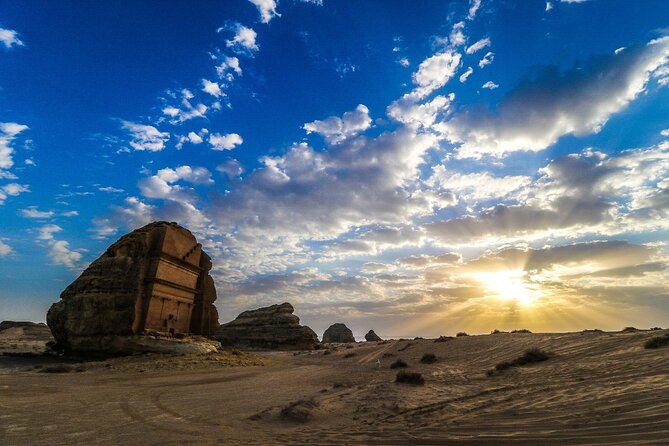
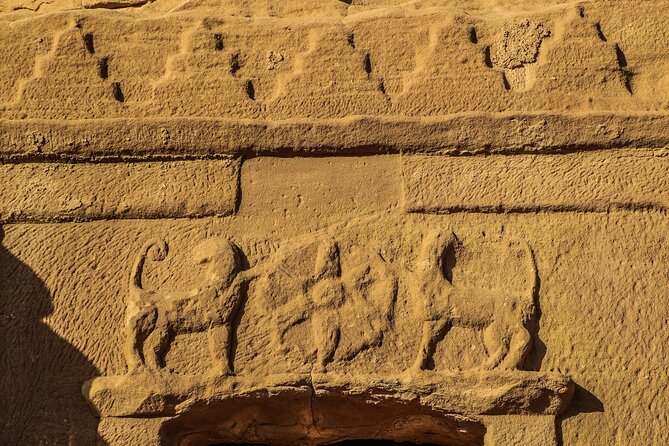
The site is known for tombs carved directly into enormous rock formations. These are not ordinary freestanding buildings. The stone itself became the face of the tomb, giving Hegra a powerful sense of place and making the visit as much about geology as archaeology.
I like the way Hegra rewards careful looking. A carved entrance, an inscription, or the shape of a façade can seem puzzling when you first see it. With some explanation, those details begin to connect to Nabataean customs, social status, and ideas about honoring the dead.
A guide is especially useful here because the site does not explain every detail in a way that makes sense to someone seeing it for the first time. You can certainly admire the scenery on your own, but you may miss why a particular tomb matters or how Hegra relates to Petra and the wider Nabataean world.
More Hegra and AlUla heritage trips:
- Visiting The Incredible Heritage Site Hegra in AlUla
★ 4.6 · 93 reviews - Hegra Al Ula: Sunrise Hot Air Balloon Flight
★ 4.6 · 43 reviews - Al Ula: Dadan and Jabal Ikmah Tombs Guided Tour
★ 4.2 · 26 reviews
What the two-hour visit includes
The main stop is Hegra itself, and the planned visit lasts about two hours. That makes this a compact experience, useful if you are fitting several AlUla sights into one day or have limited time in the area.
You should expect the visit to focus on the major archaeological features rather than every corner of the site. The centerpiece is the collection of more than 110 tombs, cut into massive rock outcrops. Their façades give the area its memorable character, with the open desert making the carved stone feel even more dramatic.
The Tomb of Lihyan son of Kuza is another named sight associated with the visit. It is one of the details worth listening for during the explanation, since a named tomb gives you something specific to remember rather than leaving you with a general impression of rocks and ruins.
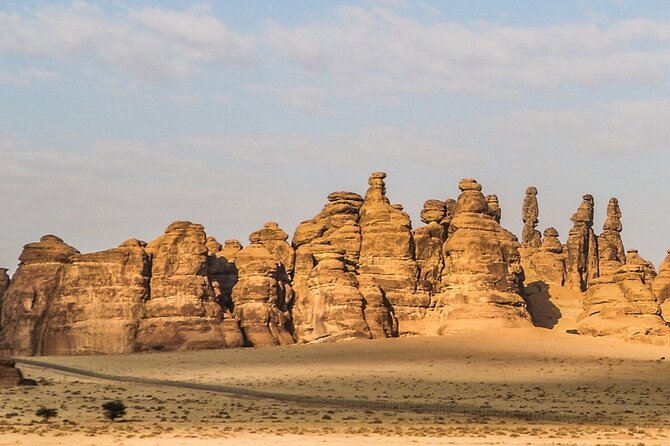
Jabal Ithlib is also included in the Hegra experience. This rock formation is an important part of the site, and seeing it alongside the tombs helps show that Hegra is more than a row of decorated façades. The rock formations, open setting, and carved spaces all form part of the ancient settlement.
Because the tour is short, I would pay close attention from the beginning. Keep your phone or camera ready, but do not spend the whole visit looking through a screen. The main value here is understanding what you are seeing, not simply collecting photographs.
Why a guide makes a real difference
Hegra is the kind of place where a little context goes a long way. Without an explanation, you may notice the tomb entrances and dramatic stone shapes but fail to understand the people who built them or the customs behind the carvings.
The tour includes English or Arabic driver assistance. The strongest praise for the experience has centered on clear English explanations and smooth organization. That is important for an archaeological site where names, dates, and cultural references can otherwise become a blur.
You should not expect a university lecture in two hours. The guide’s role is more practical: point out the key places, explain the basics, answer questions where possible, and help you connect Hegra with the Nabataean story you may already know from Petra.
I would ask about Jabal Ithlib and the Tomb of Lihyan son of Kuza early in the visit. Those specific names can help you follow the route and give the experience more shape. If you are interested in archaeology, ask the guide how the tombs reflect Nabataean society and how Hegra fits into the wider civilization.
The group may include up to 30 people. That is a reasonable maximum for a popular archaeological stop, but it is not an intimate private tour. If the full group is present, stay close enough to hear the explanations and do not assume the guide will repeat every point at each tomb.
The tombs: more than impressive stone façades
The tombs are the reason most people come to Hegra, and they deserve time and attention. More than 110 burial spaces were carved into the rock, creating an unusual mix of architecture and natural stone.
I find the most useful way to look at them is to compare their details. Notice how entrances differ, how the façades use the shape of the rock, and how the setting changes your sense of scale. A tomb that looks large in a photograph can feel even more imposing when you see the surrounding stone and open desert.
The tombs also provide a direct link to Nabataean culture. They show how the community marked burial places and invested effort in making them visible and lasting. The guide can help explain what is known about these spaces, while also separating clear evidence from the assumptions that often grow around ancient sites.
Do not judge the visit only by how many tombs you see. The experience is not a checklist. One well-explained tomb can teach you more than rushing past a dozen façades without context.
There is a practical downside to the short format. The supplied information does not promise extended time at each tomb, so you may need to choose between listening closely and taking photographs. If you want a slow study of Nabataean architecture, this tour may work best as an introduction followed by a longer visit to Hegra on another occasion, if available.
More things to do in AlUla:
- AlUla: Discover AlUla Like a Local Guided Tour
★ 5.0 · 25 reviews - From AlUla: Hegra Tour
★ 3.9 · 25 reviews - Alula Full Day Tour
★ 4.5 · 22 reviews - Al-Ula: Old Town, Hegra, and Elephant Rock Day Tour
★ 4.9 · 14 reviews
Jabal Ithlib and the Tomb of Lihyan son of Kuza
The mention of Jabal Ithlib gives the visit a useful point beyond the main tomb group. Rock formations are not just scenic backdrops here. They help explain how the Nabataeans used the natural setting when creating their burial and ceremonial spaces.
The Tomb of Lihyan son of Kuza gives you a named landmark to look for. Ancient sites can feel abstract when you hear only broad terms such as civilization or kingdom. A specific tomb with a specific name makes the past easier to picture.
I would listen carefully when these sights are introduced. With only two hours, the guide may move at a steady pace, and a distracted moment can mean missing the explanation that turns a view into a meaningful part of the visit.
The supplied details do not describe the exact order of these stops or how long you spend at each one. Treat the itinerary as a focused Hegra visit rather than a tightly described sequence. The core promise is access to the archaeological site, with these major features part of the experience.
Is $27 good value?
At $27, the tour offers fair value if you want admission and basic guidance bundled together. The entrance fee is included, so you do not need to arrange that separately. For a first visit to Hegra, the added explanation can be worth as much as the ticket itself.
The value depends on how you use the two hours. If you want a simple way to see Hegra and understand the main sights, the price is attractive. If you are expecting a private specialist guide, extensive time at every tomb, meals, or a full-day AlUla program, this is not that kind of outing.
Food and drinks are not included. That is not unusual for a two-hour cultural visit, but you should plan for your own refreshments elsewhere. Personal expenses are also excluded, including anything you may buy at the site. One useful detail is that the gift shop has been criticized for expensive souvenirs, so I would treat shopping as optional rather than part of the tour’s value.
Hotel pickup and drop-off from AlUla are optional and booked at different rates. This can be worthwhile if you do not have your own transport or want to avoid arranging a taxi. If you already have reliable transport, compare the price before adding the pickup service.
Transport, language, and group size
The basic experience includes driver assistance in English or Arabic. That gives you a choice of language support, though the exact balance between driving, guiding, and formal commentary is not spelled out. If detailed interpretation is your main priority, confirm what level of guiding is included before booking.
Pickup from your AlUla hotel is available as an option. This is useful for a short tour because transport can otherwise take up a large share of your day. A pickup service also removes one small worry from visiting a site outside the town center.
The maximum group size is 30 people. Most people can participate, according to the supplied details, but no specific accessibility information is provided. If you have mobility concerns or need particular assistance, ask the provider before paying rather than assuming the site arrangements will suit you.
Confirmation is provided when you book, and the ticket is mobile. That means you can keep the booking on your phone instead of printing paperwork. Still, I would save the confirmation where you can access it easily, especially if your signal is unreliable.
Weather and cancellation caution
Weather matters. The experience requires good conditions, and poor weather can lead to cancellation. If that happens, you are offered a different date or a full refund.
The standard policy is otherwise strict. The experience is non-refundable and cannot be changed for personal reasons, so cancelling or requesting an amendment normally means losing the amount paid. There have also been complaints about delayed refunds after weather-related cancellations, although the provider has stated that it aims to resolve such problems.
That makes timing important. I would avoid booking this as the one unmissable activity at the very end of a tightly packed trip. Leave some flexibility if Hegra is a major reason for visiting AlUla, particularly when weather looks uncertain.
The tour can also be cancelled if the minimum number of participants is not reached. In that case, you are offered another date or experience, or a full refund. This is standard for many organized activities, but it is worth knowing before you build a non-flexible schedule around it.
Who will enjoy this Hegra tour most?
I would recommend it most strongly to first-time visitors who want a short, guided introduction to Hegra. It suits anyone interested in ancient burial sites, Nabataean culture, archaeology, or the connection between Saudi Arabia and Petra.
It is also a good choice if you prefer not to handle admission and transport on your own. The optional hotel pickup, included entrance fee, and English or Arabic assistance make the day easier to organize.
Families and mixed-interest groups may appreciate the two-hour length. Hegra is important, but not everyone wants a full day of ancient stones. A short visit gives you the major sights without asking every member of your group to become an archaeology enthusiast.
I would be more cautious if you are a serious history specialist or photographer. The group can reach 30 people, the tour is brief, and the information supplied does not promise long stops or private access. You may want a longer or more specialized format instead.
Should you book the Half-Day Hegra Experience?
Book it if you want an affordable, organized introduction to Hegra, especially if you value clear English or Arabic assistance and convenient admission arrangements. The tombs, Jabal Ithlib, and the Tomb of Lihyan son of Kuza give the visit plenty of substance for two hours.
Think twice if you need a flexible booking, since personal cancellations are not refundable. Also check the pickup price and confirm the guiding format if detailed archaeological commentary matters to you.
For most first-time visitors with limited time in AlUla, I would consider this a sensible way to meet Hegra. It will not cover everything, but it should give you the essential sights and enough context to appreciate why this desert site matters.
FAQ
How long does the Hegra experience last?
The visit lasts approximately two hours.
Is the Hegra entrance fee included?
Yes. The entrance fee is included in the experience price.
Is hotel pickup available?
Yes. Pickup and drop-off from an AlUla hotel are available as an optional booking upgrade at a different rate.
What language assistance is provided?
Driver assistance is available in English or Arabic.
What sights are included at Hegra?
The visit includes Hegra, with its more than 110 Nabataean tombs. Jabal Ithlib and the Tomb of Lihyan son of Kuza are also named sights connected with the experience.
What is the maximum group size?
The activity can include a maximum of 30 people.
Can I cancel for a refund?
The experience is normally non-refundable and cannot be changed for personal reasons. If poor weather causes cancellation, you are offered a different date or a full refund. If the minimum number of participants is not reached, you are offered a different date or experience, or a full refund.
Just added in AlUla
- Coffee and Tea Party in Aljadidah★ 3.5 · 3 reviews
- Private Abseiling in Alula Desert.★ 5.0 · 2 reviews
- AlUla: Private Zipline Experience★ 5.0 · 1 review
- AlUla: Hegra After Dark Show with Chariot Ride★ 5.0 · 2 reviews
- AlUla: Sharaan Platinum Dinner Safari★ 5.0 · 2 reviews
- Al-Ula: Hegra, Dadan, and Ikmah Highlights Tour★ 4.6 · 2 reviews
- Al-Ula: Guided Horse Riding★ 5.0 · 3 reviews
- Al-Ula: Dadan & Jabal Ikmah Tour with Optional Pickup★ 3.8 · 4 reviews
Hegra and the AlUla Tombs, compared.
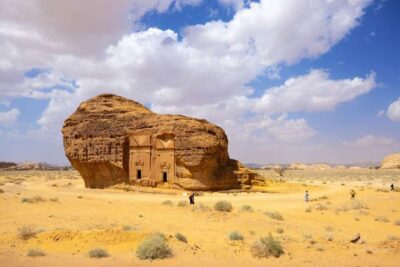
Visiting The Incredible Heritage Site Hegra in AlUla
Read our review →
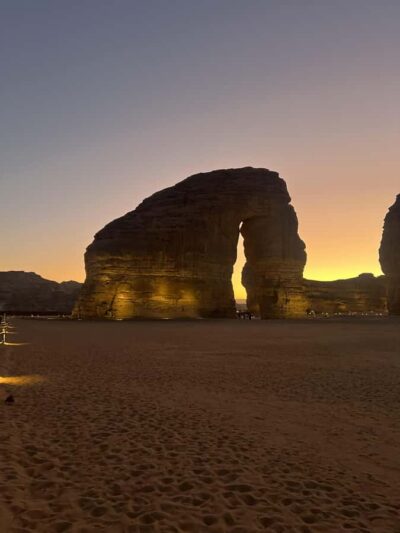
Al-Ula: Old Town, Hegra, and Elephant Rock Day Tour
Read our review →
Hegra Tour: AlUla’s No.1 Haven For Nature, Wildlife Lovers
Read our review →
Visiting the Incredible Heritage Site Hegra in AlUla.
Read our review →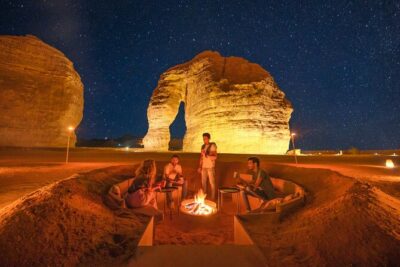
Browse the lists this tour appears in