
REVIEW · HEGRA AND THE ALULA TOMBS
Al-Ula: Old Town, Hegra, and Elephant Rock Day Tour
Al-Ula packs centuries into six memorable hours. I like the way this tour pairs the 800-year-old Old Town with Hegra, where Nabataean tombs were carved into bare sandstone. I also like the finish at Elephant Rock, especially if your schedule reaches sunset. The main tradeoff is pace: six hours covers a lot, and visitors with mobility limits should choose another outing.
The experience is guided in Arabic or English, with roundtrip transport from AlUla and snacks included. Guides named in recent feedback include Hatim, Mohamed Al Bokhari, and Rasha, with particular praise for clear explanations, good timing, and adjusting the pace when possible. Comfortable shoes, water, a hat, and sunscreen will make the day much easier.
In This Review
- Key points to know before booking
- Why this six-hour Al-Ula tour works
- Old Town, where mud-brick walls tell the story
- Al-Ula’s oasis and the old water system
- Hegra, the archaeological heart of the day
- Elephant Rock and the changing desert light
- Guides, transport, and the human side of the tour
- Is $199 a fair price?
- Who should book this Al-Ula experience?
- Should you book this tour?
- FAQ
- Where does the tour begin and end?
- How long does the experience last?
- What sites are included?
- Is Hegra included?
- Is transportation included?
- Are snacks included?
- What languages are available?
- Is the tour suitable for wheelchair users?
- What should I wear and bring?
- Can I cancel the booking?
Key points to know before booking
- Old Town gives you Al-Ula’s human story: Mud-brick homes, tight lanes, old mosques, and former shops show how the oasis community worked.
- Hegra is the main archaeological prize: Rock-cut tombs, inscriptions, wells, and dwelling ruins reveal the reach of the Nabataean Kingdom.
- The oasis explains why Al-Ula exists: Ancient water systems helped support date palms, citrus trees, and herbs in an otherwise dry setting.
- Elephant Rock offers a strong finale: The natural sandstone arch looks most dramatic in the changing light near sunset.
- The six-hour format is efficient but full: You see the headline sights, though this is not a slow archaeological study tour.
- The tour earns strong guide praise: Hatim, Mohamed Al Bokhari, and Rasha are singled out for being attentive, pleasant, well prepared, and flexible.
Why this six-hour Al-Ula tour works
Al-Ula can feel spread out, with historic buildings, cultivated land, archaeological sites, and huge rock formations occupying different parts of the region. A guided day helps you connect those pieces instead of treating them as unrelated photo stops.
The route moves from a living historic town to an ancient oasis, then to Nabataean Hegra and a natural monument. That order gives the day a useful rhythm. You begin with people and daily life, move into farming and water, then finish with grand archaeology and desert scenery.
I especially like the contrast. Old Town is close and human scale. Hegra is open, monumental, and carved into stone. Elephant Rock requires almost no explanation because the shape does the talking, though a guide can add context to the visit.
The price is $199 per person. That is not a low-cost sightseeing trip, but the value depends on what you want from Al-Ula. Roundtrip transport, a live guide, snacks, and several major sights are included. If you have only one day in the area, combining these places can be more practical than arranging separate visits.
The limitation is just as clear. Six hours is enough for an overview, not a leisurely study of every lane, tomb, inscription, or oasis path. You should book this if you want a well-organized introduction to Al-Ula’s essential sights. If you prefer long stops and quiet time at each site, you may find the schedule brisk.
More Hegra and AlUla heritage trips:
- Visiting The Incredible Heritage Site Hegra in AlUla
★ 4.6 · 93 reviews - Hegra Al Ula: Sunrise Hot Air Balloon Flight
★ 4.6 · 43 reviews - Al Ula: Dadan and Jabal Ikmah Tombs Guided Tour
★ 4.2 · 26 reviews
Old Town, where mud-brick walls tell the story
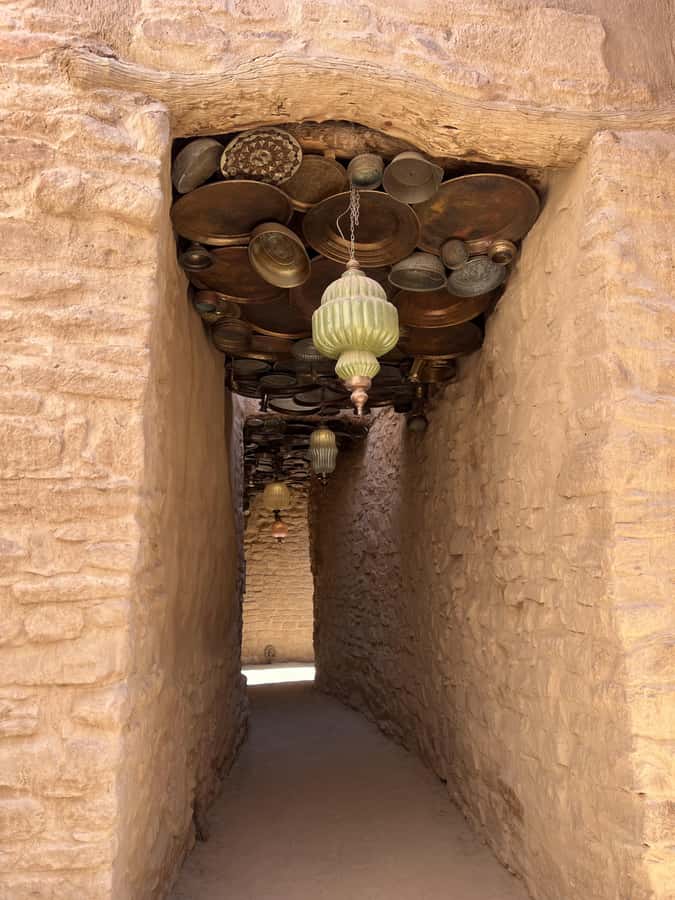
The first major stop takes you into Al-Ula Old Town, described as roughly 800 years old. Its maze of mud-brick houses, narrow alleys, and historic mosques offers a different experience from the polished scale of Hegra.
This is a place to slow down and look closely. The town once had nearly 900 homes and about 400 shops. It was also an important stop for pilgrims traveling to Mecca, so its lanes were not simply residential. They supported trade, worship, lodging, and everyday community life.
I like Old Town because it gives the region a human face. Hegra can make the Nabataeans feel distant and almost mythical. Here, you get a stronger sense of homes, streets, commerce, and religious life. The mud-brick construction also shows how local buildings were shaped by available materials and the need for shelter in a dry climate.
Expect walking on uneven surfaces through narrow passages. Comfortable shoes are not a minor suggestion here. The tour is not suitable for people with mobility impairments or wheelchair users, and the old lanes may be tiring for anyone who has difficulty walking or standing.
Your guide matters at this stop. A good explanation can turn a simple wall into evidence of how the town functioned. Hatim has been praised for being helpful and for adjusting the tour to suit the group. Mohamed Al Bokhari was also singled out for making the visit pleasant and well explained.
Do not rush your photographs. Look for details in the brickwork, the angles of the alleys, and the way the town sits within the wider oasis. Photography is allowed, but you should respect local sensitivities and avoid treating homes, people, or religious places as casual props.
Al-Ula’s oasis and the old water system
The oasis is one of the most important parts of the day because it explains the survival of settlement here. In the middle of dry country, natural springs and ancient irrigation systems supported date palms, citrus trees, and aromatic herbs.
This is not just a pretty green break between monuments. The oasis represents work, planning, and continuity. Water allowed communities to grow food, trade goods, and support people moving through the region. It also helps you understand why Al-Ula became a place of lasting importance.
I find this stop valuable because it changes your view of the desert. The area is not simply empty sand and stone. Its most important resource was managed water, and the cultivated zones created the conditions for homes, shops, pilgrimage routes, and political power.
The supplied details do not specify how long the group spends walking through the oasis, so you should expect an overview rather than a full agricultural tour. Your guide will provide the most useful context, especially if you ask how the irrigation systems supported the Old Town and nearby settlements.
Bring water even though snacks are included. Al-Ula can be hot and exposed, and the tour information specifically recommends a hat, sunscreen, and regular hydration. Modest clothing is also expected, both for comfort and to respect local customs.
Hegra, the archaeological heart of the day
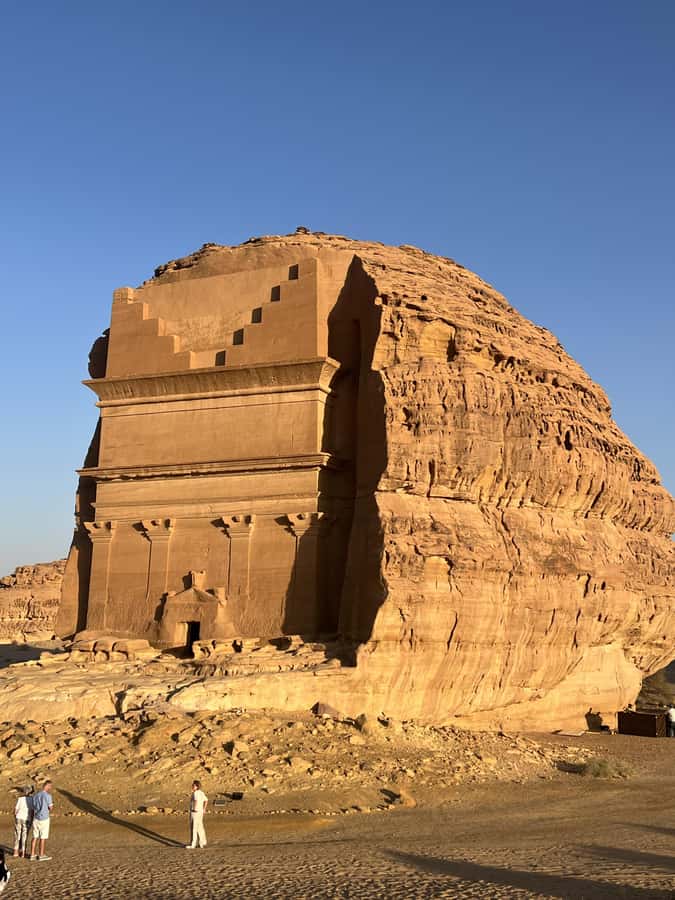
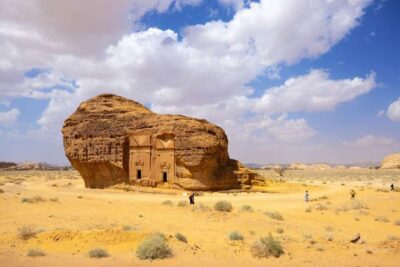
Hegra is the tour’s major historical draw. It was the second-largest city of the Nabataean Kingdom after Petra, and it is now a UNESCO-listed site with tombs, inscriptions, wells, and ruins of former dwellings.
The tombs are the visual stars. Nabataean builders cut them directly into sandstone, creating façades that still command attention after centuries of exposure. The scale of the rock and the precision of the carved details make Hegra more than a collection of old stones. It shows the wealth and reach of a society that controlled vital trade routes.
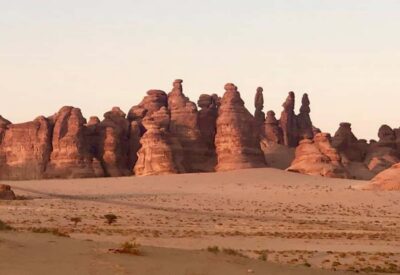
I would give Hegra your full attention. Take time to notice the relationship between the carved tombs and the surrounding rock formations. The setting is part of the experience. The stone is not a background decoration; it is the material from which the monuments were made.
Ancient inscriptions add another layer. They offer written traces of people, beliefs, ownership, and activity, though the value of those marks can be easy to miss without guidance. This is where a live guide earns the cost of the tour. Arabic and English are available, so you can follow the explanation in one of those languages.
You will also see ancient wells and the remains of dwellings. Those features help balance the grandeur of the tombs. Hegra was not only a burial place or ceremonial site. It was part of a working settlement with water sources, homes, and trade connections.
The setting is open and exposed, so plan for sun. A hat and sunscreen are essential, and water should stay within easy reach. The tour includes snacks, but snacks do not replace a proper drink or sun protection.
The exact amount of free time at each Hegra feature is not stated. That matters because the site contains more than one type of attraction. If you want to study inscriptions or photograph every tomb from several angles, ask your guide about the timing early in the visit.
The guide feedback is strongest at this point in the day. Rasha has been praised for punctuality, attention, humor, and clear explanations. Hatim is described as helpful and willing to adjust the program, while Mohamed Al Bokhari is remembered as friendly and well prepared. Those qualities are useful at a site where context makes the difference between a quick stop and a meaningful visit.
More things to do in AlUla:
- AlUla: Discover AlUla Like a Local Guided Tour
★ 5.0 · 25 reviews - From AlUla: Hegra Tour
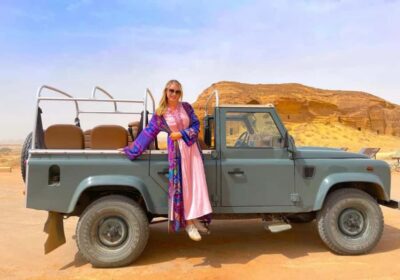
★ 3.9 · 25 reviews - Fancy Tour of Hegra in a Vintage Land Rover
★ 4.8 · 11 reviews - Tour AlUla’s Old Town
★ 3.7 · 11 reviews
Elephant Rock and the changing desert light
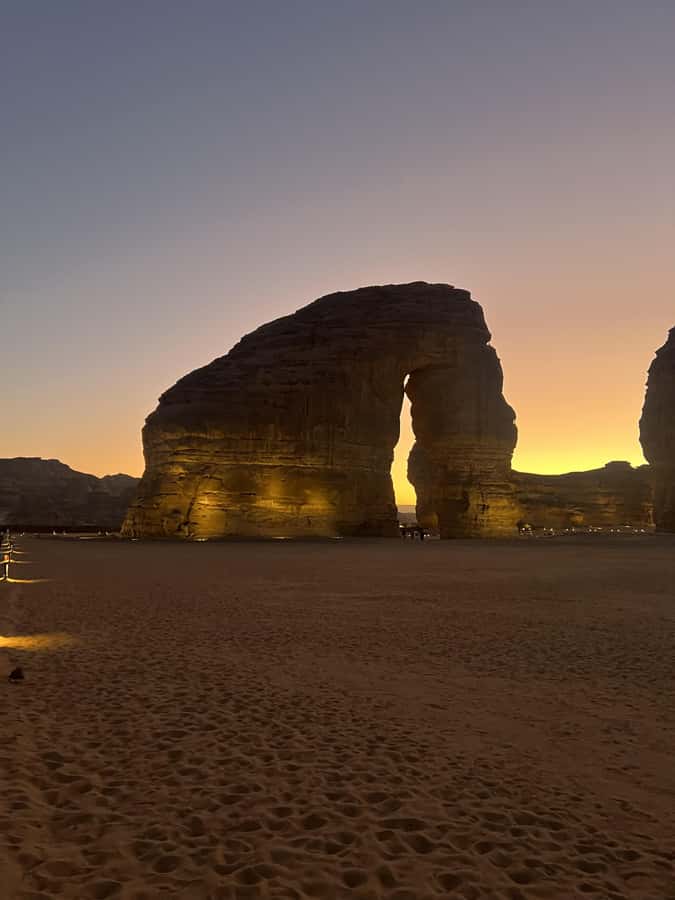
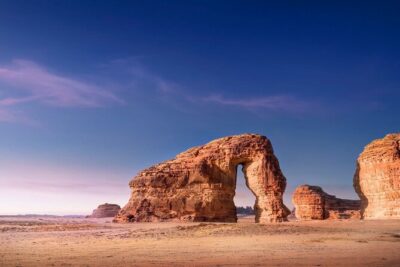
Elephant Rock is the natural finale. Wind and other forces shaped the sandstone over millions of years into a formation that resembles an elephant, complete with an arching trunk.
The appeal is immediate. You do not need a long explanation to understand the name, and the scale becomes clearer as you approach. The formation rises alone in the desert, making it an easy place to appreciate Al-Ula’s natural side after a day focused on buildings and archaeology.
The schedule presents Elephant Rock as an ideal sunset stop. If the timing works, the lower light can bring out warmer shades in the sandstone and make the outline more dramatic. Sunset conditions can vary, so you should treat the timing as a goal rather than a guarantee.
This is also the most relaxed photo stop in the advertised route. You can take in the shape, enjoy the open view, and mark the end of a full day. One guide even gave an unexpected gift to a guest, a small personal touch that helped make the experience memorable.
Do not expect Elephant Rock to be a long hike or a separate adventure. It is a scenic landmark within a tightly planned tour. That is good news if you want a striking final stop without adding another demanding activity. It may feel brief if natural formations are your main reason for visiting Al-Ula.
Guides, transport, and the human side of the tour
A six-hour tour depends heavily on the guide. The route itself is impressive, but clear explanations and sensible pacing determine how much you take away from it.
Hatim receives praise for being excellent, helpful, and willing to adapt the day to the group’s needs. Rasha is described as punctual, attentive, intelligent, and engaging, with humor that made the explanations easier to enjoy. Mohamed Al Bokhari is remembered as friendly, prepared, and quick to make the experience pleasant.
Those comments point to a practical strength: the guide may respond to the rhythm of the group rather than forcing every stop at the same speed. That does not remove the limits of a six-hour schedule, but it can make the day feel less rushed.
Roundtrip transportation from AlUla is included. The pickup and return location is AlUla, so you should make sure your accommodation or meeting point is within the stated pickup area before booking. The available details do not specify vehicle type, group size, or the exact pickup time, so confirm those points when checking the available start times.
Arabic and English guiding is available. Snacks are included, while personal expenses are not. You should plan to pay for anything beyond the stated inclusions, though no specific additional costs are given.
Smoking, alcohol, drugs, and littering are not allowed. Dress modestly, follow local customs, and ask before photographing people or sensitive places. These small choices show respect and make the day more comfortable for everyone.
Is $199 a fair price?
At $199, this tour sits in the premium day-trip category, but it covers several of Al-Ula’s main sights in six hours. The package includes transportation, snacks, and a live guide, which removes some of the planning and navigation work.
The strongest value comes from the combination. Old Town, the oasis, Hegra, and Elephant Rock each offer something different. If you tried to arrange transport and explanations separately, the day could become more complicated, particularly if Al-Ula is unfamiliar to you.
The price is less attractive if you already have transport, prefer independent sightseeing, or want to spend most of a day at Hegra alone. A private or slower arrangement might suit you better, though the available information does not provide prices for alternatives.
I would view this as a time-saving choice rather than a bargain. You pay for a compact route, a guide, and transport between major sights. The 4.9 rating from 14 reviews is encouraging, and the praise focuses on the parts that matter most: guide quality, pacing, and the range of sights.
Who should book this Al-Ula experience?
I would recommend it to first-time visitors who want the essential Al-Ula story in one organized outing. It is especially useful if you have limited time and want both cultural sites and natural scenery.
History fans will appreciate Hegra’s tombs, inscriptions, wells, and settlement remains. Photographers will have strong subjects in Old Town, the oasis, sandstone façades, and Elephant Rock. You should also enjoy it if you like guides who explain what you are seeing instead of simply pointing at it.
The tour is not a good fit for wheelchair users or people with mobility impairments. It also may not suit you if you dislike heat, walking, exposed sites, or a schedule that moves through several attractions in one day.
Book with realistic expectations. You are buying a well-rounded introduction, not an unhurried archaeological expedition. Wear modest, comfortable clothing, bring water, and protect yourself from the sun. If the available time places Elephant Rock near sunset, that is a welcome finishing touch.
Should you book this tour?
Book it if you want Al-Ula’s major highlights in a single day and value a guide who can connect the town, oasis, Nabataean ruins, and desert rock. The route is varied, the inclusions are practical, and the strongest feedback centers on attentive guides such as Hatim, Rasha, and Mohamed Al Bokhari.
Skip it if you need wheelchair access, want long unscheduled stops, or already have a vehicle and detailed plans. For most able-bodied first-time visitors, $199 is reasonable for a six-hour introduction that reaches Hegra and ends at Elephant Rock. Free cancellation up to 24 hours before departure and reserve-now, pay-later terms also make it easier to keep plans flexible.
FAQ
Where does the tour begin and end?
Pickup and return are in AlUla. The tour starts and finishes there.
How long does the experience last?
The guided tour lasts six hours.
What sites are included?
The route includes Al-Ula Old Town, the oases of AlUla, Hegra, and Elephant Rock.
Is Hegra included?
Yes. Hegra is included as a major stop, with rock-cut tombs, ancient inscriptions, wells, and dwelling ruins.
Is transportation included?
Yes. Roundtrip transportation is included.
Are snacks included?
Yes. Snacks are included, but personal expenses are not.
What languages are available?
The live guide is available in Arabic and English.
Is the tour suitable for wheelchair users?
No. The experience is not suitable for wheelchair users or people with mobility impairments.
What should I wear and bring?
Dress modestly and wear comfortable walking shoes. Bring water, a hat, and sunscreen.
Can I cancel the booking?
Yes. You can cancel up to 24 hours in advance for a full refund. You can also reserve now and pay later.
Just added in Al Ula
- Private Abseiling in Alula Desert.★ 5.0 · 2 reviews
- AlUla: Private Zipline Experience★ 5.0 · 1 review
- AlUla: Sharaan Platinum Dinner Safari★ 5.0 · 2 reviews
- Al-Ula: Hegra, Dadan, and Ikmah Highlights Tour★ 4.6 · 2 reviews
- Al-Ula: Guided Horse Riding★ 5.0 · 3 reviews
- Al-Ula: Dadan & Jabal Ikmah Tour with Optional Pickup★ 3.8 · 4 reviews
- AlUla: Sharaan Nature Reserve★ 5.0 · 4 reviews
- Oasis Adventure in Alula★ 4.2 · 6 reviews
Hegra and the AlUla Tombs, compared.
Visiting The Incredible Heritage Site Hegra in AlUla
Read our review →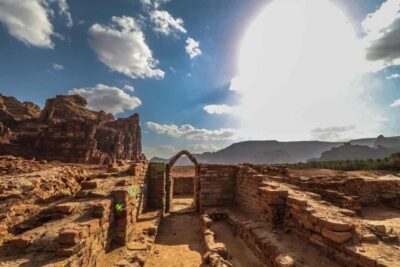
Hegra Tour: AlUla’s No.1 Haven For Nature, Wildlife Lovers
Read our review →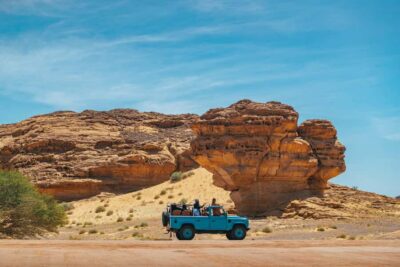
Visiting the Incredible Heritage Site Hegra in AlUla.
Read our review →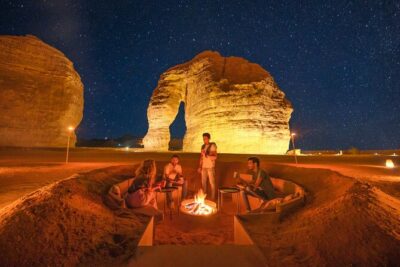
Browse the lists this tour appears in