
REVIEW · HISTORICAL TOURS
Madina: Guided Tour of the City’s Historical Sights
Madinah’s story is best read on the road. This private tour links the city’s major Islamic sites, from Masjid Quba and Qiblatain to Uhud, the Trench, and several old wells. I like the small-group format for up to four people, and I like that the route combines famous mosques with quieter places such as Beer Ghars and the Salman Farsi Well.
The strongest part is the guide, Uzair, whose clear English, calm driving, patience, and personal care have earned repeated praise. He has also provided refreshments and helped guests when plans became difficult. The main consideration is that this is a religious and history-focused sightseeing day, not a relaxed city tour, and some wells may not have drinking water during maintenance.
In This Review
- Key points at a glance
- Why this Madinah tour works well for first-time visitors
- Starting with Masjid Imam Bukhari
- Understanding Uhud through its people and terrain
- The Battle of the Trench and the Seven Mosques
- Qiblatain and the change in prayer direction
- Masjid Jumah and Atban Bin Malik’s house
- Masjid Quba and two nafil
- Wells, farms, and the details beyond the main route
- What Uzair adds to the experience
- Practical preparation for a hot, respectful day
- Who should book this $99 private tour?
- Should you book it?
- FAQ
- How much does the Madinah historical sights tour cost?
- Which languages are available?
- Does the tour visit Al Masjid an Nabawi?
- Can I pray at Masjid Quba?
- Which Battle of Uhud sites are included?
- What is included at the Battle of the Trench area?
- Is water available at the wells?
- What clothing rules apply?
- Can I cancel the booking?
Key points at a glance
- A private group of up to four: At $99 per group, the price can be good value for a family or small party.
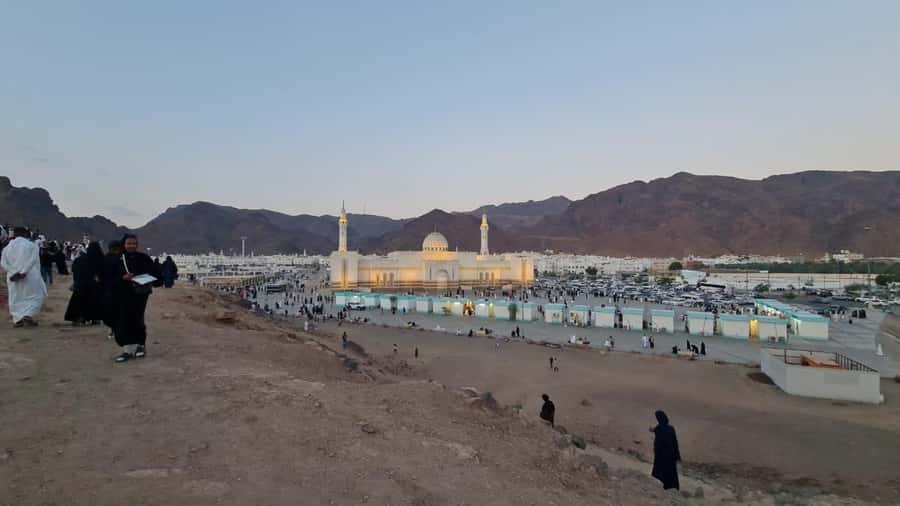
- Uhud is more than a mountain photo stop: You see the martyrs’ graves, Mount Uhud, Mount Rumah, Masjid Shuhada, and the area connected with the Battle of Uhud.
- Several names refer to the same Trench area: Masjid Fatah, Saba Masajid, Masjid Salman Farsi, Ghazwa Khandaq, and the Seven Mosques describe related stops around the Battle of the Trench.
- Quba includes time for worship: The tour includes the chance to pray two nafil at Masjid Quba, traditionally associated with the reward of one Umrah.
- The route reaches beyond the main mosques: Beer Ghars, Beer Al Khatm, the Salman Farsi Well and Farm, and Atban Bin Malik’s house add local detail.
- Uzair is a major strength: His English, historical explanations, safe driving, punctual pickup, and considerate manner make the day easier for families and older relatives.
Why this Madinah tour works well for first-time visitors
Madinah can feel like a place you understand slowly. The sacred sites are spread across the city, and their importance is not always obvious from a quick look through a car window. A guide gives you the thread connecting the mosques, wells, battles, and early Muslim community.
This experience is priced at $99 per group of up to four, not per person. That matters. Four people sharing the vehicle pay less than $25 each, while a couple may see it as a higher per-person cost in exchange for privacy and a more flexible family setting. The value is strongest when you want one vehicle, one guide, and explanations suited to your group.
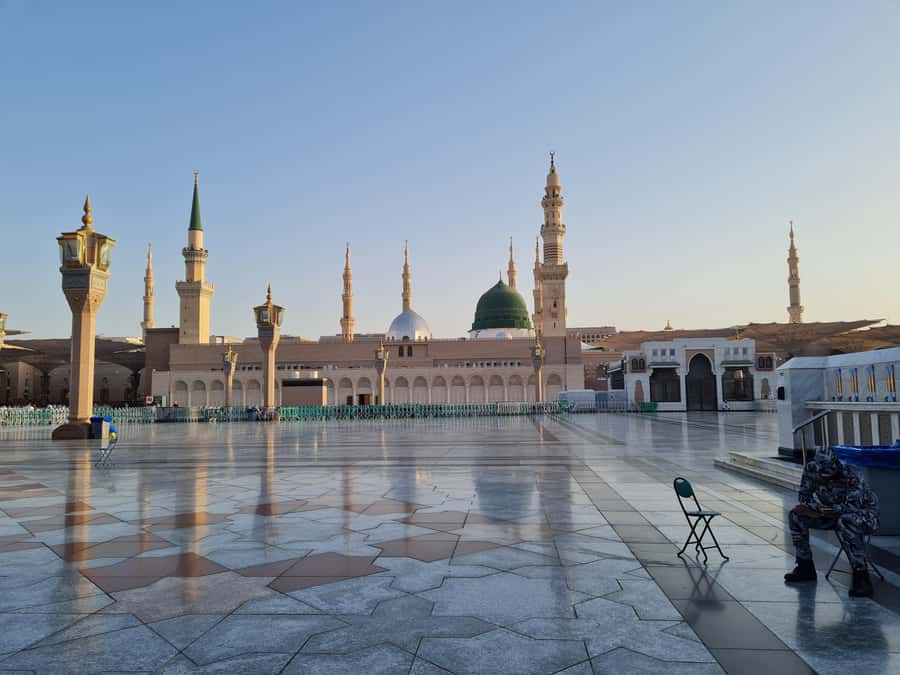
The route covers the basic historical sights rather than trying to force every possible stop into one rushed outing. You pass by Al Masjid an Nabawi, the grand mosque at the heart of Madinah, then move through sites linked with the Prophet Muhammad’s life, the early Muslim community, and major battles.
You should expect a respectful visit rather than a conventional sightseeing circuit. Worship and remembrance are central to the day. The guide’s job is not simply to point out buildings, but to explain why each place matters and give you time to reflect.
More History Tours in Madinah:
- Madinah Culture & History Tour – Led by Local Guide
★ 5.0 · 74 reviews - Prophet’s Mosque Walking Tour with Historic Hejaz Railway
★ 4.7 · 4 reviews - Red Sand Adventure 4×4 (Camel Ride ,Quad Biking, Heritage House)
★ 5.0 · 135 reviews
Starting with Masjid Imam Bukhari
The tour begins at Masjid Imam Bukhari, a mosque connected with the memory of Imam Bukhari and Islamic scholarship. It is a fitting first stop because it sets the tone for the day: this is not just about architecture, but about people, faith, learning, and place.
You will want to listen closely here. A short explanation can give context that is easy to miss if you arrive alone. Since the visit is guided, you can ask questions and get a clearer sense of how the mosque fits into Madinah’s religious story.
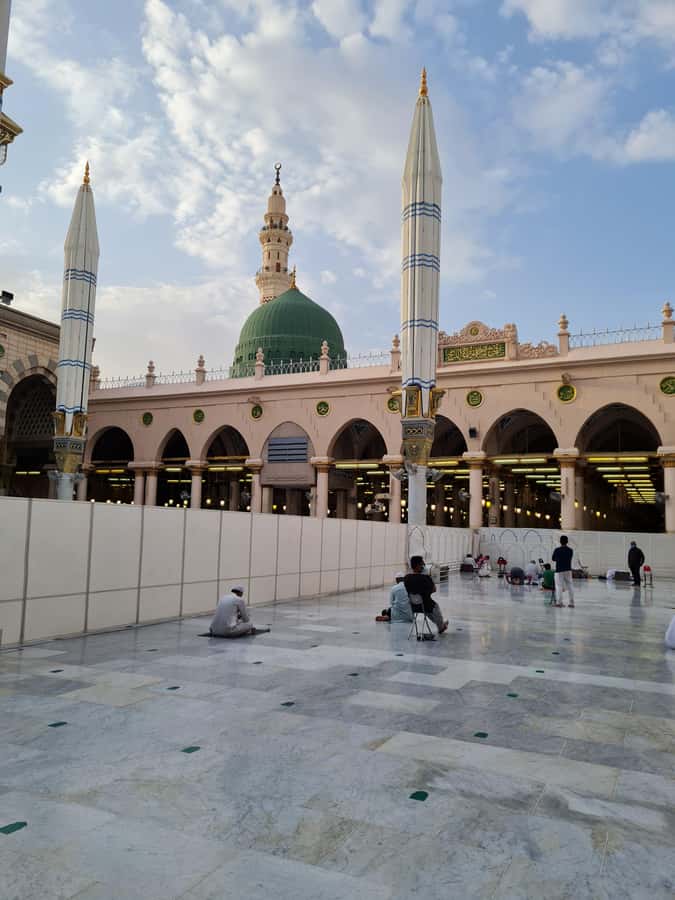
The itinerary also passes by Al Masjid an Nabawi. Treat this as an orientation point rather than assuming the tour includes a full interior visit. The description specifically says passing by the main mosque, while the included visits name other mosques.
Understanding Uhud through its people and terrain
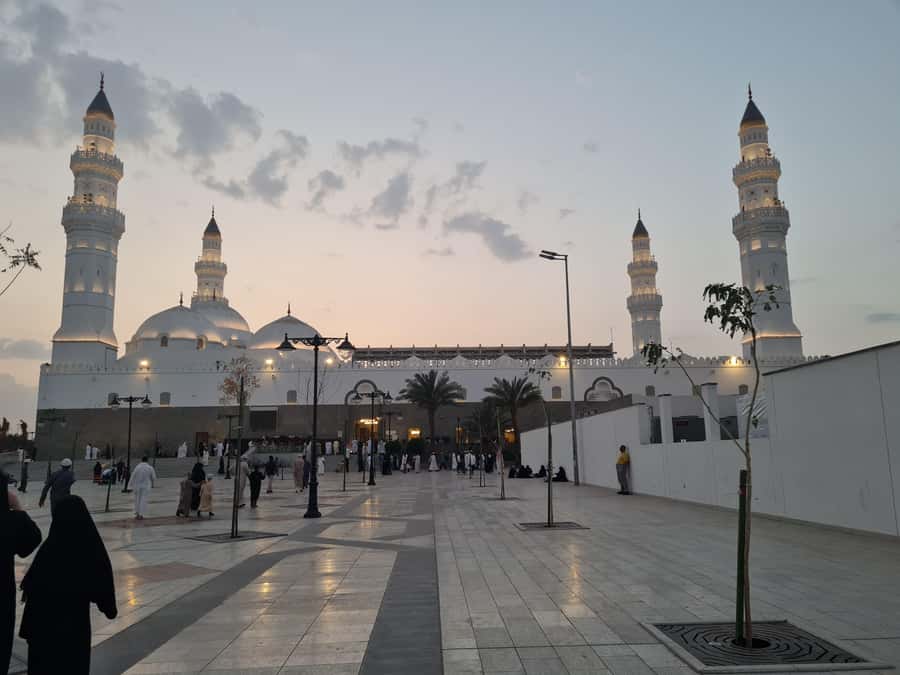
The Uhud section is one of the tour’s most meaningful stops. You see the graves of Hazrat Ameer Hamza, Musab Bin Umair, and other Shuhada, along with Masjid Shuhada. You also see Mount Uhud and Mount Rumah.
This combination of memorial, mosque, and mountain gives the Battle of Uhud a physical setting. Instead of hearing only a date and a name, you can look across the area and connect the account to the ground where it unfolded. The tour makes room for both history and prayer.
I would bring sturdy, comfortable shoes here. The instructions also recommend sunscreen, a hat, and water, all sensible in Madinah’s sun. You might find the heat tiring, especially if you are visiting with an older parent, so use the vehicle as a place to rest between stops.
Families should note that the experience is not recommended for pregnant women or people over 70. That does not describe every individual’s ability, but it signals that the operator expects some walking, heat, and repeated getting in and out of the car.
The Battle of the Trench and the Seven Mosques
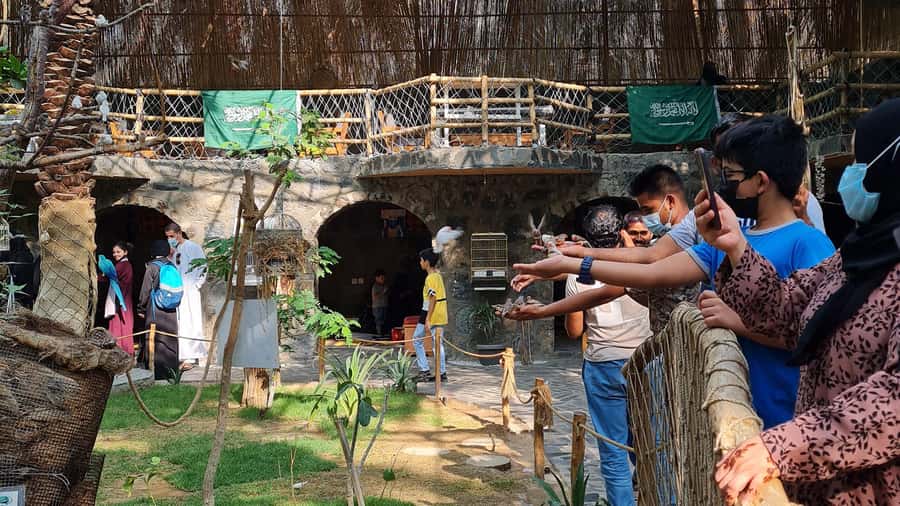
The next major section covers the Battle of the Trench, also called Ghazwa Khandaq. You visit Masjid Fatah, Masjid Salman Farsi, and the Saba Masajid, also called the Seven Mosques.
Names can be confusing here. Masjid Fatha, Saba Masajid, Ghazwa Khandaq, and the Seven Mosque area are closely connected labels used for this part of Madinah. Do not worry if the terminology sounds repetitive. The important point is that you are visiting the group of small mosques and viewpoints associated with the defensive trench and the people who took part in that campaign.
A dua at Masjid Fatah is included. This gives the stop a quiet devotional purpose, rather than making it only a photo opportunity. If you are not Muslim, you should approach the site with extra care and follow local instructions. Madinah is a holy city for Muslims, and respectful dress and conduct are essential.
More things to do in Madinah:
- Al Madinah: City Sightseeing Hop-On Hop-Off Bus Tour
★ 3.9 · 148 reviews - Madinah Unveiled Private Tour
★ 5.0 · 100 reviews - From Madinah: Half-Day Ziarah Tour
★ 4.9 · 59 reviews - City Sightseeing Al Madinah Hop-On Hop-Off Bus Tour
★ 3.0 · 50 reviews
Qiblatain and the change in prayer direction
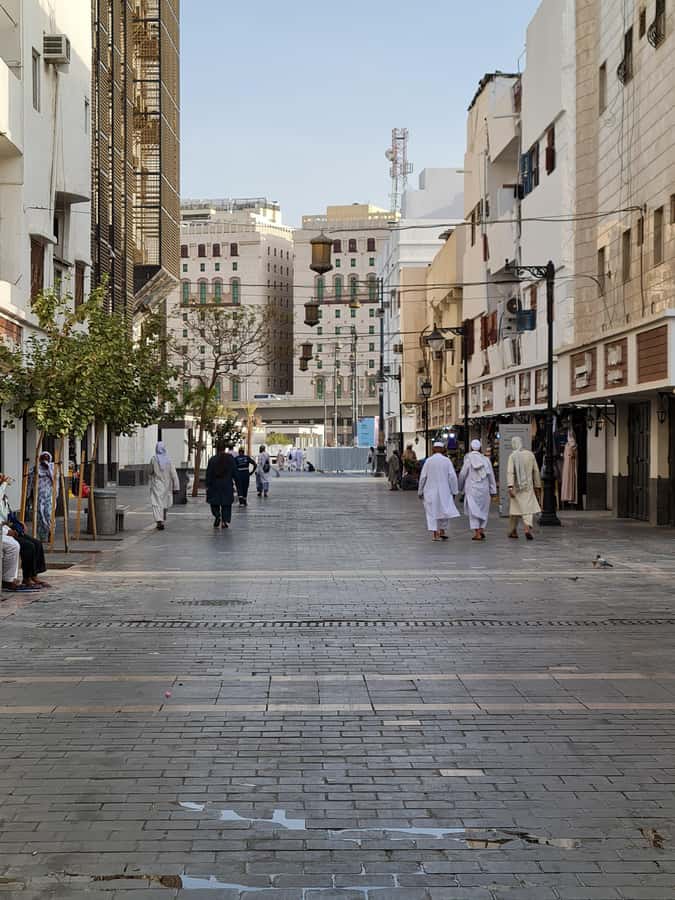
Masjid Qibalatain, or the Mosque of the Two Qiblas, is one of the best-known stops on this route. Its importance comes from the change in the direction of prayer, a major event in Islamic history.
This is a place where a guide can make a real difference. The name alone does not explain why the mosque matters. Uzair’s role, according to the information provided, includes explaining the religious and historical meaning of each site in clear English, as well as Arabic, Hindi, Punjabi, or Urdu when needed.
That language range is useful for mixed-family groups. You can ask for explanations in the language most comfortable for your party, though the listed languages are subject to the guide’s availability for your booking.
Masjid Jumah and Atban Bin Malik’s house
The tour continues to Masjid Jumah and the house of Atban Bin Malik, the imam of Masjid Jumah. Both are seen from outside.
That limitation is worth noting. You should not book this experience expecting interior access at every stop. Even from the exterior, the visit adds another layer to the city’s early Muslim history, but the value depends on your interest in learning about the people and events connected with the locations.
The short stop also breaks up the larger battle sites and mosques. A good guide can turn an exterior view into a useful historical pause. Uzair has been praised for giving detailed explanations while allowing enough time at each location, rather than rushing everyone back into the vehicle.
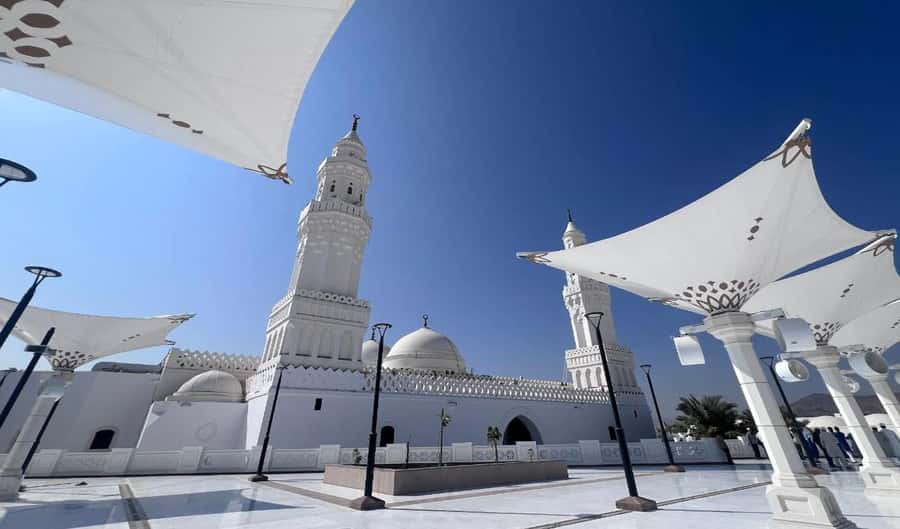
Masjid Quba and two nafil
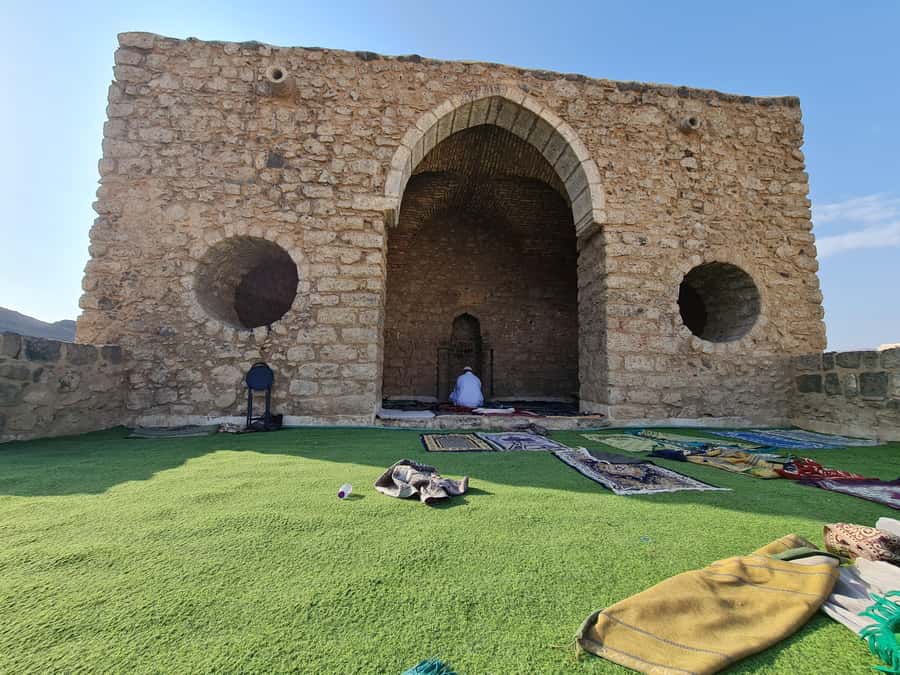
Masjid Quba is the spiritual high point for many people on this tour. The experience includes a visit and the opportunity to pray two nafil. The supplied information notes the traditional belief that prayer there carries the reward of one Umrah.
You should allow yourself a calm frame of mind for this stop. The value is not just seeing the mosque, but having time for worship. If you are traveling with a parent or family member, tell the guide if you need a slower pace or a little extra time.
Because the tour includes several mosques, dress matters throughout the day. Women should cover their hair with a cloth or hijab and wear an abaya if their clothing is not sufficiently modest. Men should wear decent clothing and avoid shorts. Shorts, short skirts, see-through clothing, smoking, and alcohol in the vehicle are not allowed.
Wells, farms, and the details beyond the main route
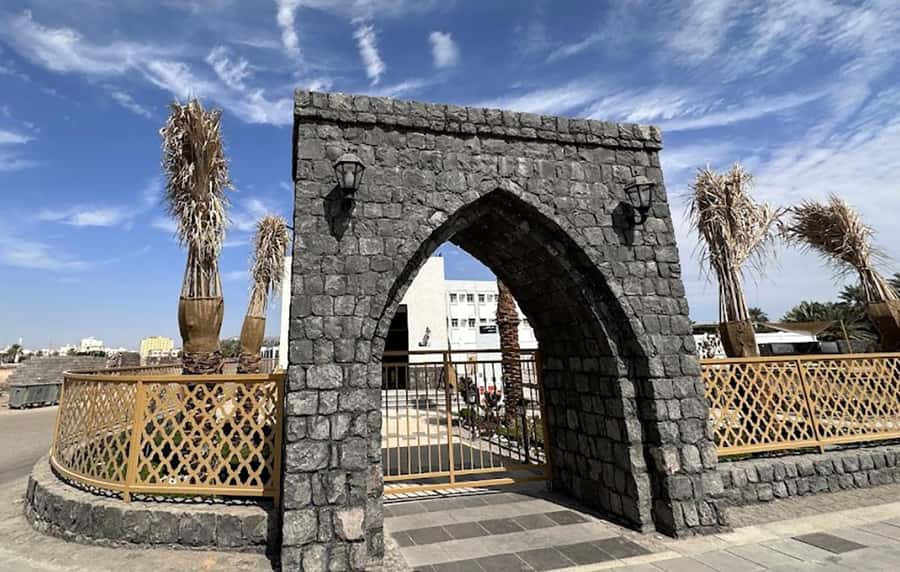
The final group of stops gives the tour a more local, less obvious character. You visit Beer Ghars, described as a beloved well of Prophet Muhammad, along with Beer Al Khatm, associated with the place where a ring fell.
You also see the Salman Farsi Well and Farm. These places may not have the immediate visual impact of a major mosque, but they help you understand how water, land, and daily life shaped the early community. They also give the guide more room to explain people and stories that can disappear behind the better-known monuments.
The itinerary includes the As Saffiyyah Museum and the International Fair and Museum, although the exact amount of time at each is not specified. You should ask the guide about the day’s order if these stops are especially important to you.
Do not plan on filling your water bottle at every well. The tour notes that drinking water may be unavailable during maintenance work. Bring your own supply, even if refreshments are offered in the vehicle.
What Uzair adds to the experience
The guide can make or break a historical tour, and Uzair appears to be the central reason this one earns such strong marks. His English is described as excellent, and his explanations are praised for being clear, detailed, and easy to follow.
He is also repeatedly described as punctual, friendly, patient, and careful behind the wheel. Those are practical qualities, not decoration. In Madinah, a clean car, smooth pickup and drop-off, safe driving, and a cool drink can make a long sequence of sacred visits much more comfortable.
His care seems particularly useful for families. He has been praised for helping an older father during an unfortunate incident and for adjusting his manner when someone was touring with her mother. That suggests a guide who pays attention to the people in the car, not just the schedule.
The group size supports that personal approach. With no more than four people, you can ask questions, request clarification, and discuss whether you need a short pause. The tour is still subject to the route and site conditions, but it should feel more personal than a large coach outing.
Practical preparation for a hot, respectful day
Wear comfortable shoes and modest clothing from the start. Add a hat, sunscreen, a camera, and plenty of water to your day bag. The camera is useful for remembering the route, but prayer areas and sacred places call for restraint, so follow any local instructions about photography.
The tour is available in Arabic, English, Hindi, Punjabi, and Urdu. English-speaking visitors have a particular advantage if Uzair is their guide, since his explanations are praised as fluent and easy to understand.
The experience is not designed for non-Muslim sightseeing in the usual sense. The information specifically asks non-Muslims to respect Madinah’s religious character and follow dress rules. If you are unsure about access to a particular site, ask before booking rather than assuming every location works like a public museum.
You can reserve now and pay later, which helps if your Madinah plans may change. Cancellation is allowed up to 24 hours before the tour for a full refund. Those policies are useful, but the bigger practical question is energy: you will get more from the route if you are ready for a full day of historical attention, prayer, heat, and short walks.
Who should book this $99 private tour?
I would recommend it most strongly to first-time visitors who want the major ziyarat sites explained in one organized outing. It also suits families who want a private vehicle, older relatives who benefit from careful driving and assistance, and visitors who prefer a guide rather than arranging separate taxis.
The price is good for four people. For one person, it is less of a bargain, but the privacy and guide access may still justify it if Madinah’s history is a main reason for your visit.
I would think twice if you want long, unstructured time at each mosque, a fully self-directed route, or a standard sightseeing tour with little religious context. The included exterior visit to Atban Bin Malik’s house and the passing view of Al Masjid an Nabawi also show that not every stop offers entry.
Should you book it?
Book this tour if you want Madinah’s key sacred and historical places arranged into one clear route, with a private group of up to four and a guide who explains the meaning behind what you see. Uzair’s patience, communication, safe driving, refreshments, and care for families are the strongest reasons to choose it.
Bring water, cover up properly, wear sensible shoes, and keep your expectations focused on worship and history. If that sounds like the right way to meet Madinah, $99 for the group is a sensible buy.
FAQ
How much does the Madinah historical sights tour cost?
The tour costs $99 per group of up to four people.
Which languages are available?
The listed languages are Arabic, English, Hindi, Punjabi, and Urdu.
Does the tour visit Al Masjid an Nabawi?
The tour passes by Al Masjid an Nabawi. The included visits specifically name other mosques, including Masjid Quba, Masjid Qibalatain, Masjid Jumah, and Masjid Imam Bukhari.
Can I pray at Masjid Quba?
Yes. The tour includes a visit to Masjid Quba and the opportunity to pray two nafil there.
Which Battle of Uhud sites are included?
The route includes the Uhud area, the graves of Hazrat Ameer Hamza, Musab Bin Umair, and other Shuhada, Masjid Shuhada, Mount Uhud, and Mount Rumah.
What is included at the Battle of the Trench area?
The tour includes the Battle of the Trench, also called Ghazwa Khandaq, plus Masjid Fatah, Masjid Salman Farsi, and the Saba Masajid, also called the Seven Mosques. A dua at Masjid Fatah is included.
Is water available at the wells?
Water may not be available for drinking when maintenance work is taking place. You should bring your own water.
What clothing rules apply?
Women should cover their hair with a cloth or hijab and wear an abaya if needed. Men should wear decent clothing and avoid shorts. Shorts, short skirts, see-through clothing, smoking, and alcohol in the vehicle are not allowed.
Can I cancel the booking?
You can cancel up to 24 hours in advance for a full refund. The tour also offers a reserve and pay later option.
Just added in Madinah
- Half – Day Tour in Prophet Mohammed City★ 5.0 · 4 reviews
- Umrah Luxury Transport from Madinah hotel to Jeddah Airport★ 5.0 · 1 review
- Madinah Dining Experience★ 5.0 · 2 reviews
- Madinah: Day Tour with Hotel Pickup★ 5.0 · 1 review
- Madinah: Seerah Landmarks Tour with Guide and VIP Car★ 5.0 · 1 review
- Madina : Bader Battle Ground, Jable Malaika and Wells★ 5.0 · 2 reviews
- Prophet’s Mosque Walking Tour with Historic Hejaz Railway★ 4.7 · 4 reviews
- Madinah Ziyarats ( Visit Holy Places)★ 4.2 · 4 reviews
Historical Tours, compared.

Red Sand Adventure 4×4 (Camel Ride ,Quad Biking, Heritage House)
Read our review →
Visiting The Incredible Heritage Site Hegra in AlUla
Read our review →
Madinah Culture & History Tour – Led by Local Guide
Read our review →
Historic District Tour in Jeddah by a Local Guide
Read our review →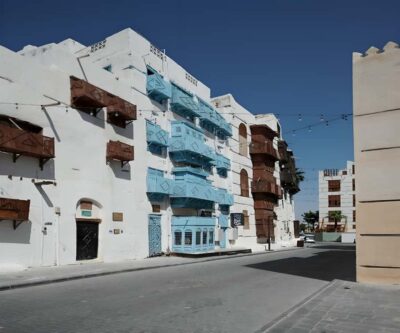
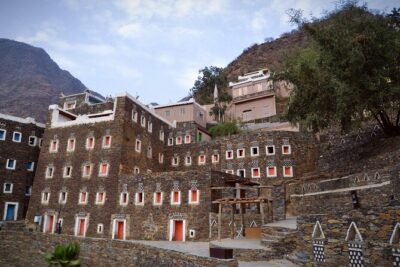
Historical & Heritage Tour in Abha- Rijal Almaa Village
Read our review →
Private Tour in Historical Jeddah (ALBALAD) إكتشف جدة التاريخيه
Read our review →Browse the lists this tour appears in