
REVIEW · MAKKAH AND MADINAH ZIYARAT
Madinah: Seerah Landmarks Tour with Guide and VIP Car
Madinah’s quieter stories deserve your time. This private Seerah tour links important sites outside the usual city visit, with a bilingual Arabic and English guide, included transport, and room for up to four people. I especially like the visit to Jumu’ah Mosque and the personal feel of seeing the house of Itban ibn Malik, where the Prophet ﷺ was hosted. The main consideration is that several stops are simple outdoor sites, so heat, walking surfaces, and modest clothing matter.
I also like the flexibility built into the format. You are not sharing the car with a large group, and the guide can respond to individual requests. Lukas of Italy gave the experience five stars after a January 3, 2026 visit, noting that the arrangements suited his personal wishes. Still, four hours can feel brisk when there are many stops, so you should expect short visits rather than long periods at each site.
In This Review
- Key points at a glance
- Why these Madinah sites add something different
- Jumu’ah Mosque and the first Friday prayer
- The house of Itban ibn Malik and the meaning of hospitality
- Al-Faqir Farm and Well: simple places, useful stories
- Bir Al-Khatim and Bir Ghars
- Banu Anif Mosque and early community life
- Bir Al-Hajim and Masjid Al-Noor
- The Farm of Abdurrahman ibn Awf
- What the private VIP car changes
- Timing, clothing, and comfort
- Who should book this four hour tour
- Should you book it?
- FAQ
- How long does the Seerah landmarks tour last?
- How much does the private tour cost?
- Which languages does the guide speak?
- Is transportation included?
- What should I bring?
- Can I cancel the booking?
Key points at a glance
- Jumu’ah Mosque: Visit the place linked with the Prophet’s first Friday prayer after the migration to Madinah.
- Itban ibn Malik’s house: See a site connected with hospitality and the close personal ties of the early Muslim community.
- Bir Ghars: Visit the well from which the Prophet ﷺ drank and recommended using its water.
- Private transport for up to four: The price covers one group, making it better value when shared by family or friends.
- Arabic and English guidance: Ask questions and receive explanations in either language during the visit.
- Outdoor preparation matters: Bring water, sunscreen, a hat, and comfortable shoes, and do not wear shorts.
Why these Madinah sites add something different
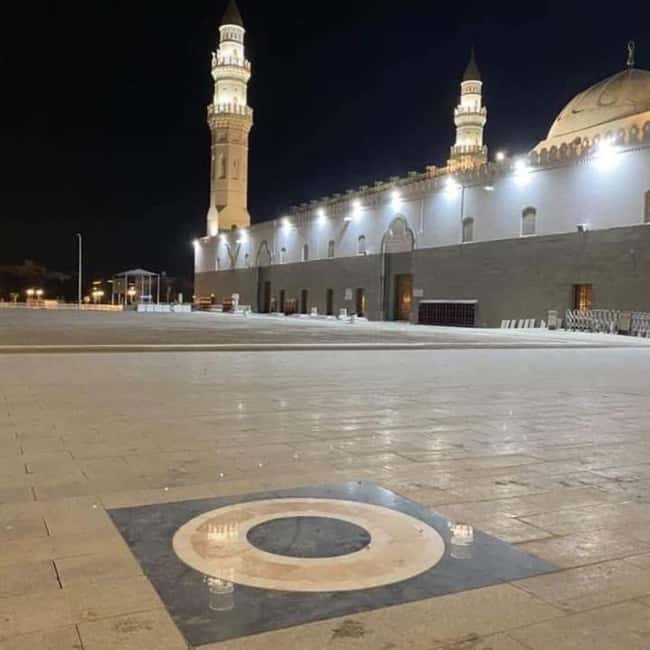
Many visits to Madinah focus on the major mosques and the city’s best-known religious sites. This tour takes a quieter route through places tied to people, wells, farms, and early community life. That gives you a more grounded way to think about the Seerah.
The sites are not all grand buildings. Some are modest locations whose value comes from the events associated with them. You will need to bring patience and imagination, since a well, farm, or historic house may not offer the visual drama of a large mosque.
That is also the appeal. The tour points you toward the practical side of early Muslim life: where people prayed, offered hospitality, drew water, and worked the land. I find that these details can make the past feel closer than a long formal explanation in a museum.
The four hour schedule includes transport between the sites, which matters in Madinah’s warm conditions. You can stay focused on the visit instead of arranging separate rides or working out the order of locations yourself. The private format also means you can ask for clarification without holding up a large party.
More ziyarat visits in Makkah and Madinah:
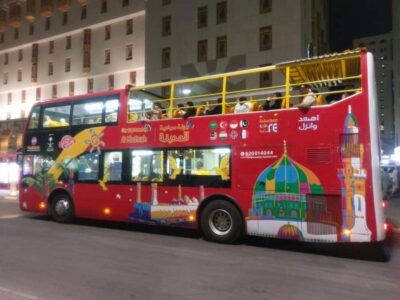
- Al Madinah: City Sightseeing Hop-On Hop-Off Bus Tour
★ 3.9 · 148 reviews - Madinah Culture & History Tour – Led by Local Guide
★ 5.0 · 74 reviews - From Madinah: Half-Day Ziarah Tour
★ 4.9 · 59 reviews
Jumu’ah Mosque and the first Friday prayer
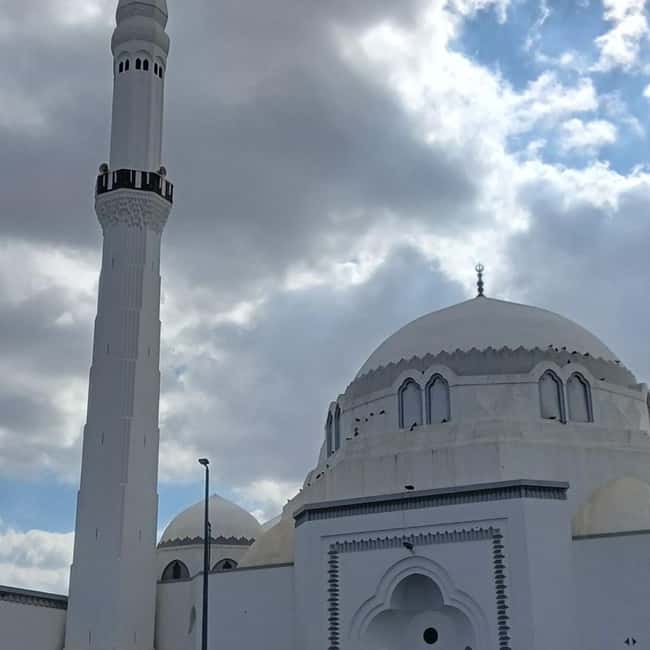
The first major stop is Jumu’ah Mosque, connected with the Prophet’s first Friday prayer after arriving in Madinah. This gives the tour a strong opening, since the visit links a physical place with a key moment after the migration.
I would allow yourself a quiet pause here rather than treating it as a quick photo stop. The point is not simply to see another mosque. It is to reflect on the early Muslim community gathering for Friday prayer in a new home.
The description does not promise a long prayer visit, special entry arrangements, or a formal worship program, so you should follow the guide’s instructions on arrival. The tour is built around seeing the sites and understanding their place in the Seerah.
Comfortable shoes are useful from the start. You should also carry water and use sunscreen, especially if you are visiting during a hot part of the day. The tour is wheelchair accessible, though the exact surfaces and access at every individual outdoor stop are not specified, so it is sensible to confirm any particular mobility needs before booking.
The house of Itban ibn Malik and the meaning of hospitality
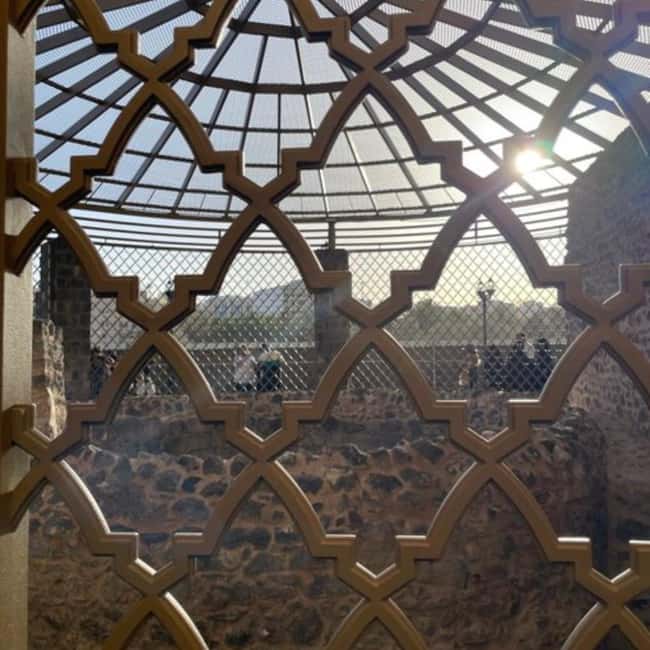
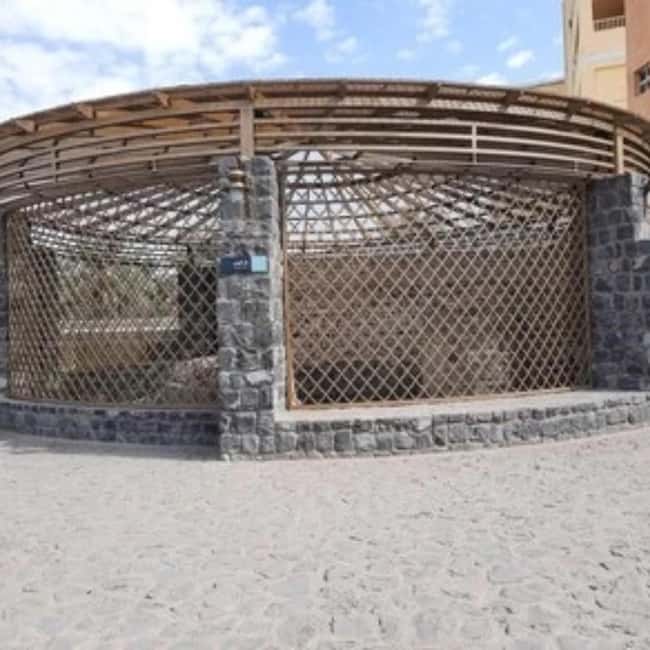
The next stop is the house of Companion Itban ibn Malik. Its importance is personal rather than grand. It recalls a place where Itban hosted the Prophet ﷺ, making the site a useful reminder of hospitality, friendship, and the bonds within the early Muslim community.
This is one of the stops I would value most if you enjoy connecting religious history with everyday human actions. A house can tell you something different from a mosque. It points to welcome, domestic life, and the role of private homes in the first Muslim community.
Do not expect a restored palace or a large attraction with extensive displays. The experience depends on the guide explaining what the location represents. Since the tour includes a live Arabic and English guide, you can ask questions and request a clearer explanation if a detail is important to you.
The private group setup helps here. If you are traveling with family, you can take a moment to discuss the story together without trying to keep up with a larger crowd. That personal pace is one reason the price makes more sense for two to four people than for a solo visitor.
Al-Faqir Farm and Well: simple places, useful stories
Al-Faqir Farm and Well brings the tour closer to the humble working life of early Muslims. A farm and water source may appear plain, but they offer a practical way to understand how daily life depended on land, wells, and shared resources.
I like this part because it moves the tour beyond famous religious buildings. You are looking at the basic setting in which people lived and worked. The site may be especially meaningful if you want the visit to include more than prayer spaces.
At the same time, this is likely to be one of the less visually elaborate stops. You should come for its religious and historical meaning, not for elaborate architecture or a long list of exhibits. The guide’s explanation will shape much of what you take from it.
The supplied details do not specify whether the farm is open for walking, how much shade is available, or whether visitors enter a structure. Plan for an outdoor visit. A hat, water, sunscreen, and shoes that you can walk in comfortably are sensible choices.
More things to do in Madinah:
- Madinah Unveiled Private Tour
★ 5.0 · 100 reviews - City Sightseeing Al Madinah Hop-On Hop-Off Bus Tour
★ 3.0 · 50 reviews - 4WD Adventure in Uhud Mountain
★ 4.5 · 29 reviews - Madinah Ziyarats (Private tour)
★ 3.5 · 26 reviews
Bir Al-Khatim and Bir Ghars
The itinerary continues to Bir Al-Khatim and Bir Ghars. These wells connect the tour with water, movement, and the daily needs of the early community. Their presence also helps you see how important wells were in the life of Madinah.
Bir Ghars receives particular attention because it is described as a blessed well from which the Prophet ﷺ drank and recommended using its water. That gives this stop a special religious meaning, and your guide can help explain why it matters within the Seerah.
You should approach such places with respect and avoid assuming that every well functions as a public water source today. The information provided does not promise drinking water, water collection, or a particular access arrangement. Think of the visit as a chance to see and understand the site rather than as a service stop.
Bir Al-Khatim and Bir Ghars may also be brief stops within the four hour schedule. The tour covers many locations, so the guide must balance driving time with time on site. If you prefer a slow visit at each location, tell the guide early and ask what can be adjusted. The private format is designed to make individual requests easier, and the five star feedback from Lukas specifically praised the response to personal wishes.
Banu Anif Mosque and early community life
Banu Anif Mosque is linked with the Banu Anif tribe and with early Islamic events in the area. This stop adds another mosque to the route, but its role is different from Jumu’ah Mosque. Instead of focusing only on a major prayer moment, it points you toward the communities and groups that formed part of early Madinah.
For you, the value will come from the connection between place and people. The mosque is not presented as a major modern attraction, so the visit will likely be quiet and guided rather than highly structured.
As with the other sites, modest dress is essential. Shorts are not allowed, and you should choose loose, respectful clothing suitable for mosque visits. Women and men should also prepare for sun and outdoor movement between locations, since the tour is not limited to indoor religious buildings.
I would treat Banu Anif Mosque as a listening stop. Let the guide provide the local context, then take a moment to consider how many early events took place in ordinary community settings rather than in famous monuments.
Bir Al-Hajim and Masjid Al-Noor
Bir Al-Hajim and Masjid Al-Noor are neighboring sites that bring together a well and a mosque. Their close location should make this part of the route efficient, which is helpful when the tour has several stops to cover.
The pairing also reinforces one of the tour’s main ideas. Water and prayer were not separate parts of life. Both were central to the way communities settled, traveled, gathered, and practiced their faith.
The available information does not provide detailed architectural notes about Masjid Al-Noor or explain the current facilities at Bir Al-Hajim. I would therefore avoid expecting a long interior tour or a fixed set of visitor services. The guide’s interpretation, your own reflection, and the atmosphere of the place are likely to be the main rewards.
Because these sites are neighbors, you may get a little more time here than at locations separated by longer drives. Still, the full route lasts about three to four hours, so the schedule remains a compact overview rather than an all-day study tour.
The Farm of Abdurrahman ibn Awf
The last named stop is the farm of Abdurrahman ibn Awf, an esteemed Companion remembered here through an estate associated with generosity. Ending at a farm gives the route a fitting close. It returns you to the themes of land, work, provision, and giving.
This stop can help tie the earlier sites together. You have seen a place of prayer, a home, wells, a farm, and community mosques. Together, they present Madinah through the ordinary settings that supported its religious life.
The tour does not say that visitors enter farm buildings or take part in an activity there. You should expect a site visit with explanation rather than a working farm experience. That distinction matters if you are looking for hands-on cultural activities.
For many people, the farm will be most rewarding when the guide explains the connection to Abdurrahman ibn Awf and generosity. It is a reminder that the Seerah includes service and material responsibility, not only major public events.
What the private VIP car changes
The $220 price covers a private group of up to four people, transportation, an Arabic-English guide, and hospitality. If four people share the vehicle, the effective cost is $55 each. For a couple, it works out to $110 per person, while a solo visitor pays the full group price unless the booking terms offer another arrangement.
That makes the tour strongest for families or friends who can fill the car. A private group can be worth paying for in Madinah because the route includes several less familiar sites, and you do not have to coordinate separate transport between them.
The word VIP describes the advertised vehicle format, but the practical benefit is privacy and included transport. The information does not specify the exact car model, refreshments, or a luxury interior, so I would not book it for those details. Book it because the car removes the transport burden and lets you move between sites with a guide.
Hospitality is included, but meals are not. You should eat before or after the tour and carry water. Personal expenses also remain your responsibility.
Timing, clothing, and comfort
The stated duration is four hours, with the practical range given as three to four hours. Check the available starting times when you book, since the best departure will depend on your own schedule and the day’s conditions.
Wear comfortable shoes, a hat, and sunscreen. Bring water, since several stops involve wells, farms, or outdoor areas and the tour does not include meals. Shorts are not allowed, so modest clothing is required throughout.
The tour is wheelchair accessible. Because the exact ground conditions at each well, farm, house, and mosque are not described, you should confirm the details if you use a wheelchair or need a particular type of assistance.
Cancellation is flexible up to 24 hours before the tour for a full refund, and you can reserve now and pay later. Those terms are useful if your Madinah schedule may shift.
Who should book this four hour tour
I would recommend it most to visitors who have already seen Madinah’s main religious sites and want a more focused look at Seerah locations. It also suits families, couples, and small groups who value a private car and a bilingual guide.
You will get the most from it if you enjoy reflection, short site visits, and historical explanation. It may be less suitable if you want lengthy time at one mosque, a museum-style presentation, formal lectures, or a meal included in the price.
The tour is also a good choice if transport is your main concern. Driving to a string of outlying or lesser-known locations can be difficult to arrange on your own, while the private format keeps the day simple.
Should you book it?
Book this tour if you want to connect Madinah’s Seerah with homes, wells, farms, and local mosques, not only major landmarks. The best value comes when three or four people share the $220 group price, and the strongest feature is the ability to travel privately with Arabic-English guidance.
Skip it if you prefer a slow visit centered on one or two major mosques, or if outdoor sites in warm weather are not appealing. For the right visitor, this is a thoughtful four hour route through the quieter settings of Madinah’s early Muslim story.
FAQ
How long does the Seerah landmarks tour last?
The tour lasts about three to four hours. The listed duration is four hours, with the practical timing given as three to four hours.
How much does the private tour cost?
The price is $220 per private group of up to four people. Transportation and the bilingual guide are included.
Which languages does the guide speak?
The live guide speaks Arabic and English.
Is transportation included?
Yes. All transportation is included, and the experience is offered as a private group tour with a VIP car.
What should I bring?
Bring comfortable shoes, a hat, sunscreen, and water. Meals are not included, so you should plan food separately.
Can I cancel the booking?
You can cancel up to 24 hours in advance for a full refund. You can also reserve now and pay later.
Just added in Medina
- Half – Day Tour in Prophet Mohammed City★ 5.0 · 4 reviews
- Umrah Luxury Transport from Madinah hotel to Jeddah Airport★ 5.0 · 1 review
- Madinah Dining Experience★ 5.0 · 2 reviews
- Madinah: Day Tour with Hotel Pickup★ 5.0 · 1 review
- Madina : Bader Battle Ground, Jable Malaika and Wells★ 5.0 · 2 reviews
- Prophet’s Mosque Walking Tour with Historic Hejaz Railway★ 4.7 · 4 reviews
- Prophet Biography Tour of Madinah★ 4.6 · 5 reviews
- 1 Hour Private Horse Riding in Madinah★ 4.0 · 5 reviews
Makkah and Madinah Ziyarat, compared.
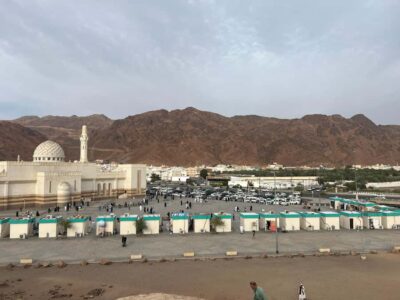
Madinah Culture & History Tour – Led by Local Guide
Read our review →
City Sightseeing Al Madinah Hop-On Hop-Off Bus Tour
Read our review →
Jabal Al-Nour, Cave Hira, and Mount Arafat Tour
Read our review →
Browse the lists this tour appears in