
REVIEW · MAKKAH AND MADINAH ZIYARAT
Madinah Culture & History Tour – Led by Local Guide
Madinah rewards context. This four-hour private tour links its best-known Islamic sites with quieter places, including Wadi Al-Aqiq, a local farm, and Gharas Well. I especially like the Madinah-born guide, who can explain not only what you are seeing, but why each place matters. I also like the private car, hotel pickup, bottled water, dates, and the chance to adjust the pace for your group.
The main consideration is time. Seven stops in four hours can feel brisk, especially if you want to pray, walk at Uhud, or linger in conversation. The route also changes for some morning departures, with Bir Al-Faqeer and Reef Al Bustan Farm replacing Gharas Well and Al-Mirbad Farm, so confirm the exact stops before booking.
In This Review
- Key points at a glance
- Why a local guide changes the day
- Quba Mosque and the first chapter of the route
- Masjid Ad Dirr before Uhud
- Uhud and the Mount of Archers
- Wadi Al-Aqiq and the quieter side of Madinah
- Masjid Al-Qiblatain and the change of prayer direction
- A Madinian farm, tea, sweets, and local flavor
- Gharas Well and the changing final stop
- Transport, timing, and how the four hours feel
- Who will get the most from this experience
- Language, service, and overall value
- Should you book the Madinah Culture and History Tour?
- FAQ
- How long is the Madinah Culture and History Tour?
- What is the price of the tour?
- Is transportation included?
- Where does pickup take place?
- Which languages are available?
- Is this a private tour?
- Which religious sites are included?
- Is the farm visit included?
- Does every tour visit Gharas Well?
- What should I wear?
- Can I cancel the booking?
- Can I reserve now and pay later?
Key points at a glance
- A local Madinah guide: Ahmad Aloufi is frequently praised for clear English, patient explanations, and a warm manner. Other departures may use guides such as Nasir or Nasser.
- A private group for up to three: You get hotel pickup, a private vehicle, and more room to ask questions than on a large bus tour.
- Uhud with time to walk: The Battle of Uhud site and Mount of Archers are more meaningful when someone explains the events before you look around.
- Mosques with practical guidance: Your guide can explain respectful behavior and gender separation where it applies.
- A taste of local hospitality: The farm stop includes tea, sweets, dates, coffee, and local snacks, depending on the current route.
- A changing morning route: Bir Al-Faqeer and Reef Al Bustan Farm now replace the older Gharas Well and Al-Mirbad Farm stops on morning tours.
Why a local guide changes the day
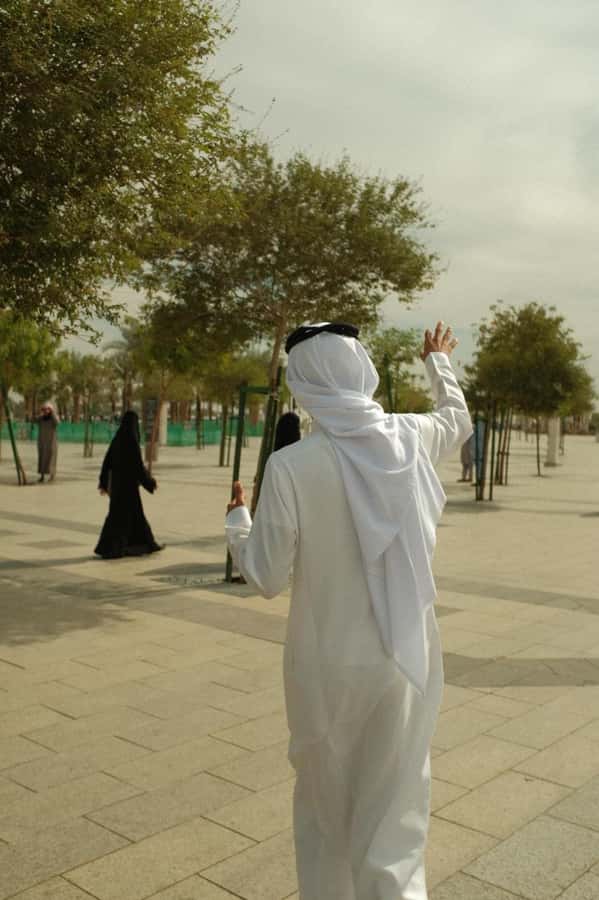
Madinah is not a city you fully understand by collecting photographs. Its important places are tied to events, prayers, personalities, and lessons from the early Muslim community. Without that background, a mosque can look like another beautiful building. With a good guide, the visit gains a clear human and religious meaning.
The guide is the heart of this experience. Ahmad Aloufi is from Madinah and has led many of the described departures. He is praised for fluent English and Arabic, clear storytelling, patience with questions, and careful attention to families. Nasir and Nasser are also named as guides on some tours, so the exact person may vary.
I would treat the guide as an interpreter of place rather than a lecturer. The strongest feedback describes stories told in a simple way, with enough time to explore independently. That matters in Madinah, where you may want a quiet moment rather than a running commentary at every step.
The tour is private for up to three people and costs $136 per group. With three people, that works out to about $45 per person for four hours, including transportation, parking, water, dates, and hotel pickup and return. For one person, the price is less of a bargain, but you are paying for privacy and a local guide rather than simply a seat in a vehicle.
More ziyarat visits in Makkah and Madinah:
- Al Madinah: City Sightseeing Hop-On Hop-Off Bus Tour
★ 3.9 · 148 reviews - From Madinah: Half-Day Ziarah Tour
★ 4.9 · 59 reviews - City Sightseeing Al Madinah Hop-On Hop-Off Bus Tour
★ 3.0 · 50 reviews
Quba Mosque and the first chapter of the route
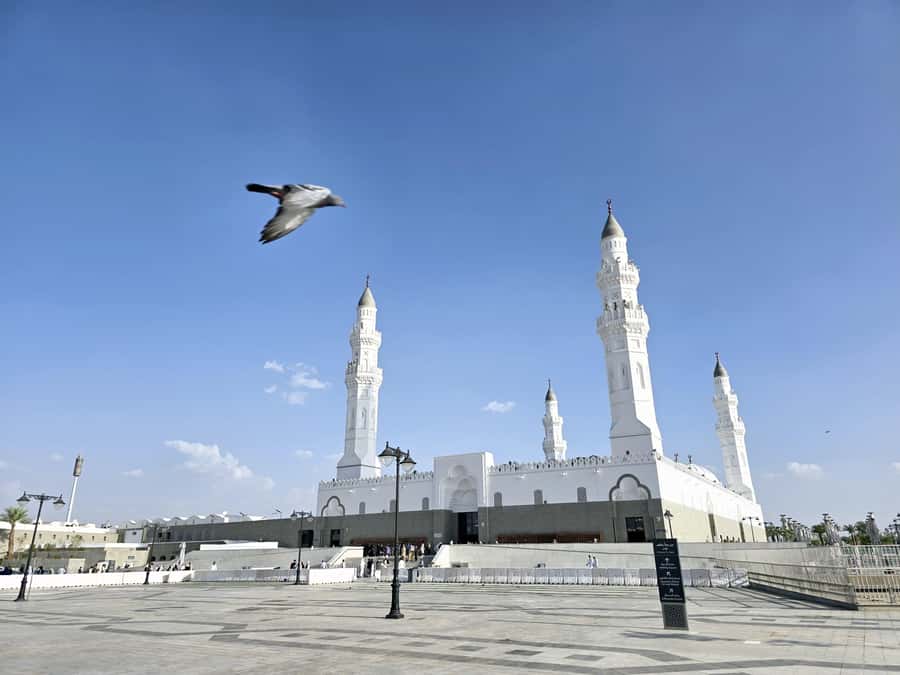
Quba Mosque is usually the emotional starting point. It is known as the first mosque built in Islam and is linked with the Prophet Muhammad’s visits and prayers. Your guide explains its place in Madinah’s story, then gives you time to enter, pray, and take in the calm atmosphere.
The route information lists Quba at the beginning and again later, which appears to reflect changing route plans or an alternate stop order. Do not be surprised if the guide handles Quba differently from the sequence shown when you book. The important point is that Quba is a central part of the experience.
I like having a guide here because practical help can matter as much as historical detail. Mosques have rules and areas separated by gender, and the guide can tell you where to go and where to meet afterward. One woman was even helped with finding an abaya before visiting the mosques, though you should arrive prepared rather than rely on that happening.
Plan to wear a hijab and abaya, as requested for this tour. Dress respectfully and allow extra time if prayer is your priority. The listed visit is short, so tell the guide early if you need a slower visit.
Masjid Ad Dirr before Uhud
Masjid Ad Dirr, also called the Shield Mosque, is a brief but meaningful stop connected with the events around Uhud. The reported connection with the Prophet’s prayer here gives the site importance beyond its size.
The visit is listed at about 25 minutes, including explanation and sightseeing. This is a good example of why the route works better with a local guide. The mosque may not demand a long visit on its own, but its place in the sequence helps prepare you for the battlefield ahead.
Time here can vary. If your group spends longer at Quba or Uhud, this may become a concise explanation rather than a long stop. I would see that as a reasonable trade, since Uhud offers more space for reflection and walking.
Uhud and the Mount of Archers
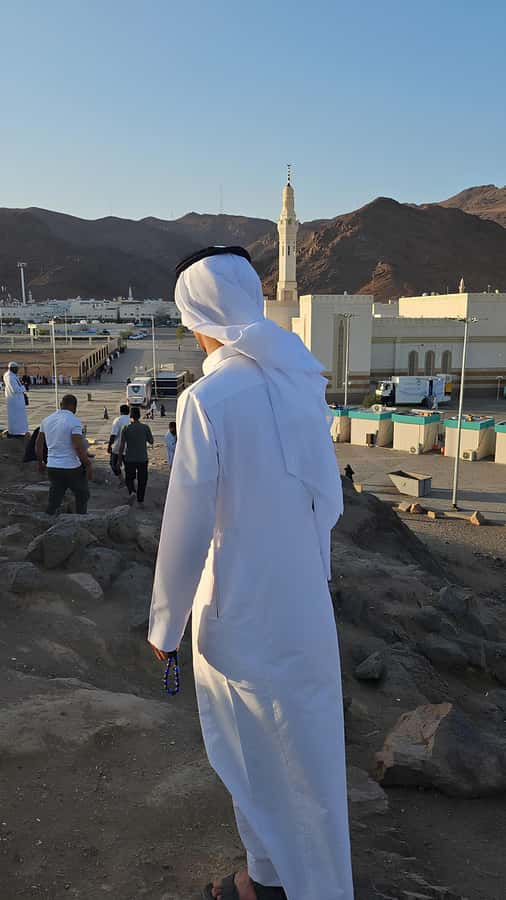
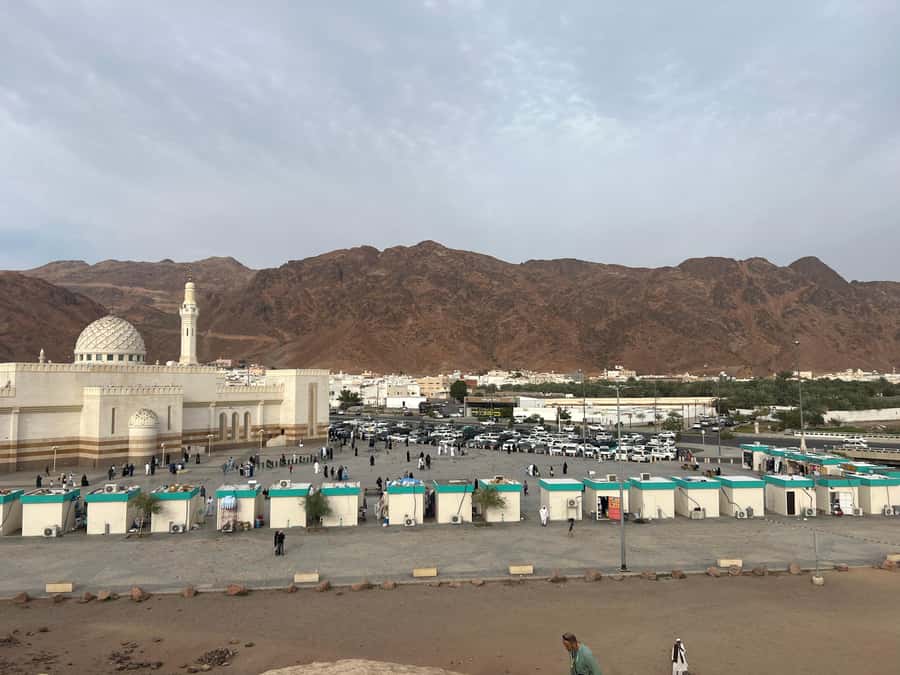
Uhud is the main historical stop. The Battle of Uhud is one of the defining events of early Islamic history, and the Mount of Archers, Jabal Al-Rumah, gives you a physical point from which to understand the site.
The scheduled visit allows about 30 minutes for walking and guiding. That is enough for an introduction and a short climb, but not an extended hike. Wear comfortable shoes, bring water, and be realistic about the heat. Bottled water is included, but you should still pace yourself.
This is where a strong storyteller earns the tour price. The guide can explain the battle’s sequence, the role of discipline, and the lessons associated with what happened there. You may also see the area connected with the graves of prominent companions, a detail that can make the stop especially moving.
Do not expect a silent archaeological site with extensive displays. The value is in the guide’s explanation and in standing at a place that carries religious memory. The ground may feel simple, even plain, but the story gives it weight.
More History Tours in Medina:
- Prophet’s Mosque Walking Tour with Historic Hejaz Railway
★ 4.7 · 4 reviews - Red Sand Adventure 4×4 (Camel Ride ,Quad Biking, Heritage House)
★ 5.0 · 135 reviews - Visiting The Incredible Heritage Site Hegra in AlUla
★ 4.6 · 93 reviews - Historical & Heritage Tour in Jeddah Al Balad
★ 5.0 · 57 reviews
Wadi Al-Aqiq and the quieter side of Madinah
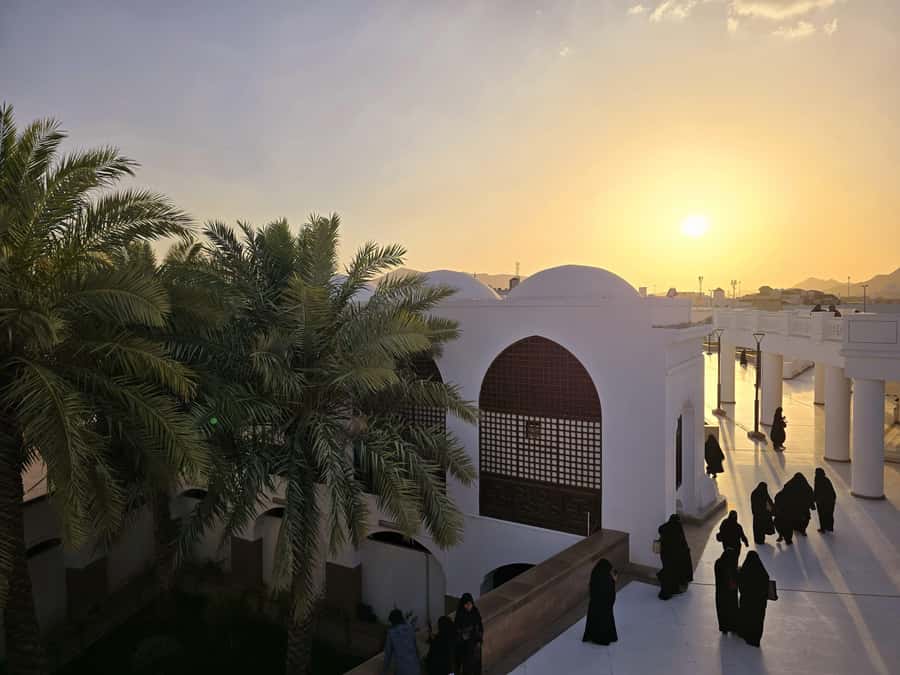
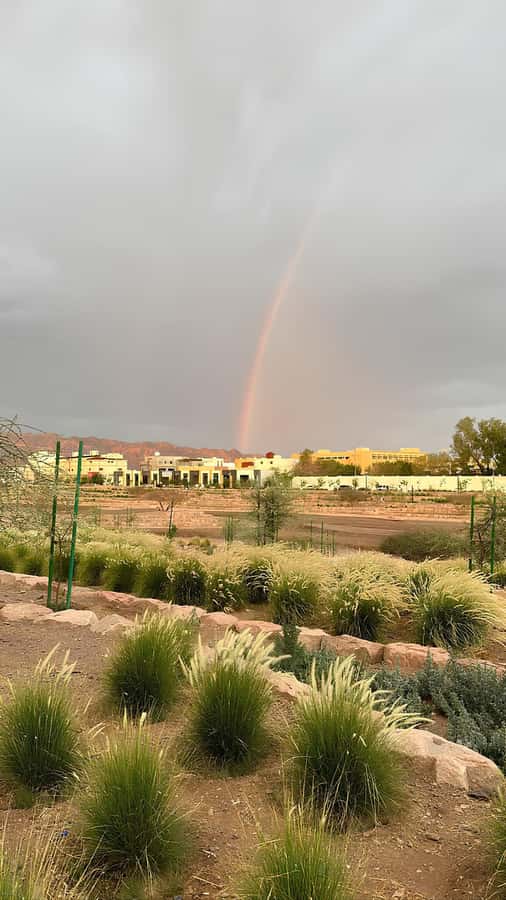
Wadi Al-Aqiq is listed as a ten-minute visit and photo stop. It is described as a blessed valley mentioned in Islamic traditions, and the short pause gives the day a change of mood after Uhud.
This is not the place for a long walk. Think of it as a scenic and reflective break, with your guide explaining its religious importance. If you enjoy taking photographs, you will want to ask how much time is available before moving on.
The stop also shows that the tour is not limited to famous mosques. It connects the city’s sacred geography with its wider surroundings. That broader view is useful if you have only one day in Madinah and want more than the central pilgrimage sites.
Masjid Al-Qiblatain and the change of prayer direction
Masjid Al-Qiblatain, the Mosque of the Two Qiblas, marks the reported change in the direction of prayer from Jerusalem toward Mecca during congregational prayer. It is one of the clearest stops for understanding a major change in Islamic practice.
The visit is planned for about 20 minutes, with guided explanation, walking, and free time. Your guide can set out the story before you enter, then let you look around or pray without being hurried.
As with Quba, mosque etiquette matters. The tour information specifically notes gender separation, and the guide can give practical instructions. Keep your clothing respectful, follow signs and staff directions, and arrange a meeting point before you split up.
A Madinian farm, tea, sweets, and local flavor
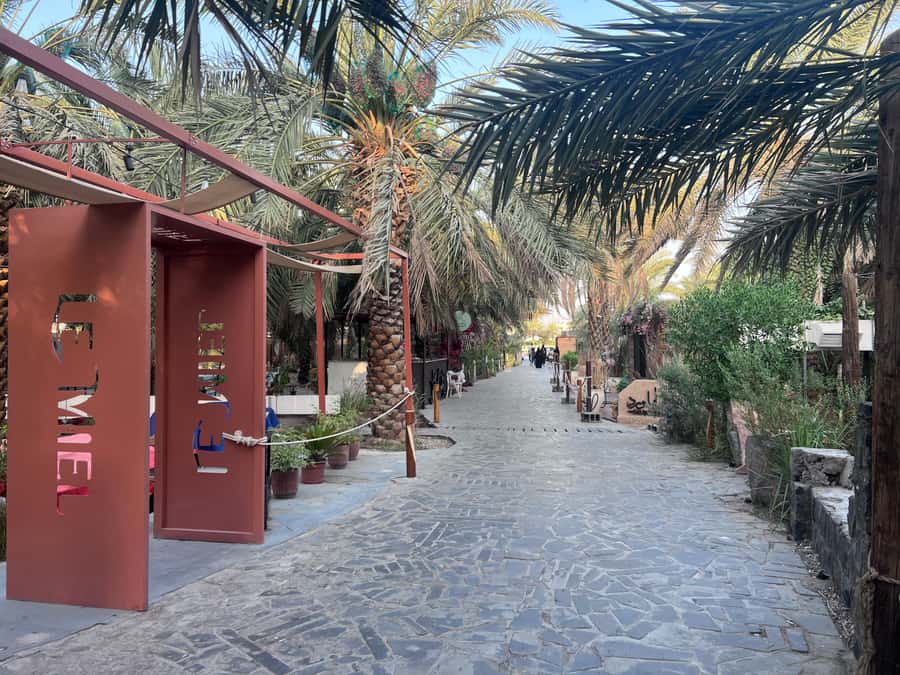
The farm stop is the most relaxed part of the day. The older route names Al-Mirbad Farm, where you can enjoy tea, coffee, sweets, dates, and local snacks. Some descriptions also mention a food market visit, shopping, and freshly brewed drinks.
This stop matters because it shows ordinary hospitality rather than only formal religious sites. Sitting with tea and local sweets gives you a chance to talk with the guide, ask questions, and let the pace slow down. Several families especially appreciated the spacious, clean vehicle and the thoughtful refreshments, including juice and Ajwa dates.
The current morning update changes this part of the route. Bir Al-Faqeer and Reef Al Bustan Farm now replace Bir Gharas and Al-Murabbad Farm for morning tours. Since the supplied route descriptions contain both versions, check your departure time and confirmed stops before you set expectations.
Do not book this tour solely for a long farm visit. It is listed at about one hour, but the total tour remains four hours, and traffic, prayer time, and group preferences can affect the schedule. The farm is best understood as a generous local pause within a history-focused tour.
Gharas Well and the changing final stop
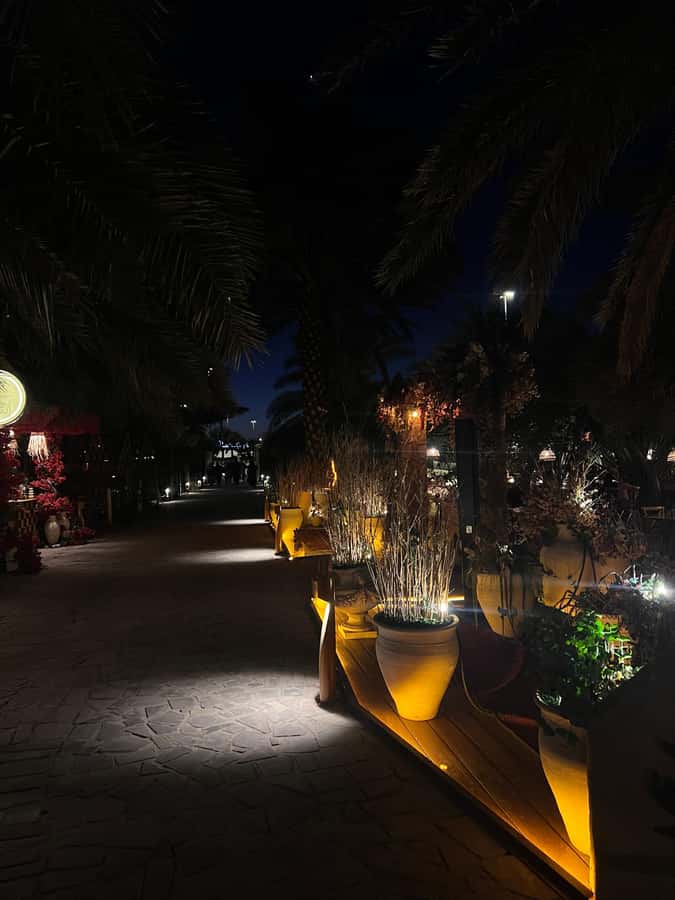
Gharas Well is described as a historic well from which the Prophet Muhammad used to drink. The visit is intended as a quiet ending, with a photo stop, explanation, and a chance to reflect.
The well may be especially meaningful if your interest is in places connected with daily life and personal memory rather than major public events. It offers a smaller-scale finish after the mosques and Uhud.
For morning tours, however, the current update says that Bir Al-Faqeer and Reef Al Bustan Farm replace the older Gharas Well and Al-Murabbad Farm locations. This is the single detail I would clarify most carefully before paying, particularly if Gharas Well is the stop you most want to see.
Transport, timing, and how the four hours feel
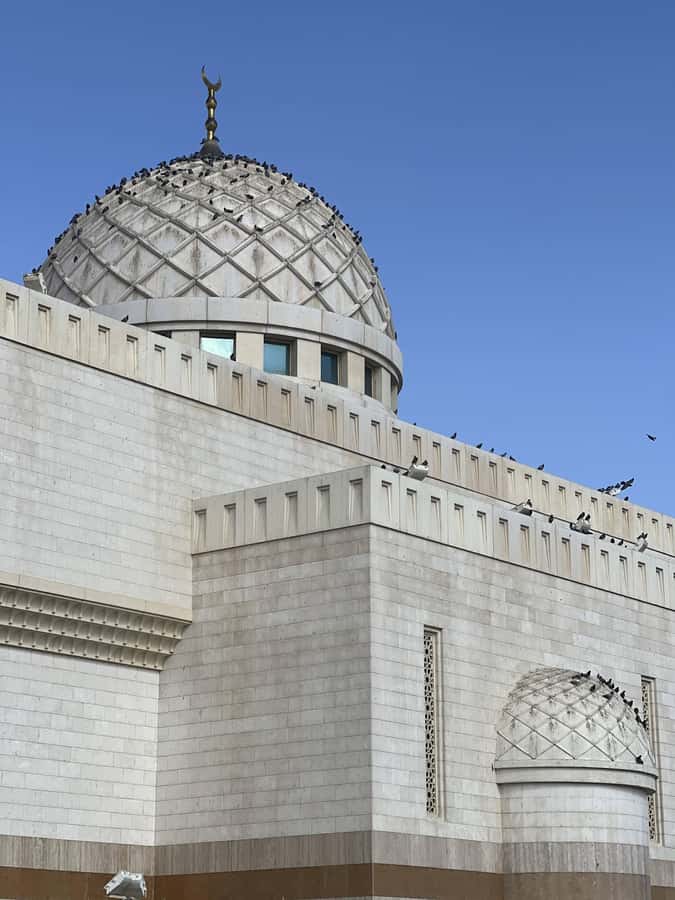
Pickup and return are included from your accommodation in Madinah. You are asked to wait in the main lobby, where the guide will meet you. The vehicle is described as clean, air-conditioned, and spacious, with water provided and parking covered.
That comfort is not a minor benefit. Madinah’s religious sites can involve walking, waiting, and moving between areas. A private air-conditioned car gives you somewhere to cool down and keeps the day simple, especially for families or anyone visiting between train connections.
Most of the listed stops are short:
- Quba Mosque involves a ten-minute drive from pickup, followed by the visit.
- Masjid Ad Dirr is about 25 minutes.
- Uhud and the Mount of Archers take about 30 minutes.
- Wadi Al-Aqiq is about ten minutes.
- Masjid Al-Qiblatain is about 20 minutes.
- The farm stop is about one hour.
- Gharas Well follows before the return to Madinah.
The timing adds up tightly, especially when driving time and mosque entry are included. Some guides have extended tours or adjusted the route when guests wanted more time, and one group began and ended at the high-speed train station. Do not assume those changes are automatic. Ask clearly if you need a station pickup, a later start, or a longer visit.
One useful point is flexibility. Ahmad has adjusted timing and substituted places when a group had already visited a scheduled stop. That makes the private format more useful than a fixed coach tour, but the final route still depends on the guide and the time available.
Who will get the most from this experience
I would recommend this tour if you are visiting Madinah for the first time and want the city’s religious sites explained in plain English or Arabic. It is also a good fit if you have only one day and prefer a broad introduction rather than spending hours at one location.
Families should appreciate the private car, the included refreshments, and the guide’s patience. Couples and small groups can ask personal questions without holding up a larger party. The tour also suits people who want to understand the Islamic meaning of the places, not simply photograph them.
You may want something else if you prefer to explore slowly and independently. Four hours is a short window for this many stops. A serious photographer, a pilgrim who wants extended prayer time, or someone who wants a long walk at Uhud may need a custom private arrangement.
The tour is also not ideal if you want a purely secular city sightseeing trip. Its focus is Islamic history, sacred places, mosque etiquette, and local religious tradition. That focus is its strength, but it will not appeal to every style of sightseeing.
Language, service, and overall value
English and Arabic are available. The strongest practical advantage is communication. The guide can explain the sites, answer questions, help with mosque procedures, and make sure you know where to meet after a visit.
The guide names most often associated with the experience are Ahmad Aloufi, Nasir, and Nasser. Ahmad receives particular praise for his punctuality, clear English, warm personality, and willingness to continue helping after the formal tour. That last point is useful in Madinah, where a friendly local contact can make the rest of your stay easier.
At $136 for up to three people, the value is good when the group is full. You receive a private car, a local guide, parking, water, dates, hotel pickup, and a route that covers several important locations. The price is harder to justify for a solo visitor, but still reasonable if personal attention and religious context matter more to you than finding the cheapest transport.
Free cancellation up to 24 hours before the tour and reserve-now-pay-later booking add flexibility. Starting times depend on availability, and morning departures may use the updated route. Confirm both the start time and the stops before your visit.
Should you book the Madinah Culture and History Tour?
Book it if you want a personal introduction to Madinah, especially with a small family or group of three. The best parts are the local storytelling, practical mosque guidance, comfortable transport, and the mix of major sites with a farm and valley stop.
Before booking, ask three direct questions: Who will guide us, which route applies to our departure time, and can we allow extra time at Quba or Uhud? If the answers fit your priorities, this is a strong-value way to put Madinah’s sacred places into context.
If you want a slow, self-directed day, choose fewer sites and spend longer at each one. If you want broad coverage, local insight, and help with the practical details, this tour is a sensible choice.
FAQ
How long is the Madinah Culture and History Tour?
The tour duration is four hours.
What is the price of the tour?
The price is $136 per private group of up to three people.
Is transportation included?
Yes. Transportation, parking fees, bottled water, and pickup and return to your accommodation in Madinah are included.
Where does pickup take place?
Pickup is available from your accommodation in Madinah. You should wait in the main lobby for the guide.
Which languages are available?
The tour is offered in English and Arabic.
Is this a private tour?
Yes. The tour is for a private group, with a maximum of three people.
Which religious sites are included?
The described route includes Quba Mosque, Masjid Ad Dirr, Uhud and the Mount of Archers, Wadi Al-Aqiq, and Masjid Al-Qiblatain.
Is the farm visit included?
A farm stop is included, but the location depends on the departure. Older route details name Al-Mirbad Farm, while the morning route update names Reef Al Bustan Farm.
Does every tour visit Gharas Well?
Not necessarily. The current morning update says Bir Al-Faqeer and Reef Al Bustan Farm replace the older Gharas Well and Al-Murabbad Farm stops.
What should I wear?
You should wear a hijab and abaya to respect the Islamic character of the area. Follow mosque instructions and the guide’s advice about gender-separated areas.
Can I cancel the booking?
You can cancel up to 24 hours in advance for a full refund.
Can I reserve now and pay later?
Yes. The booking option allows you to reserve the tour and pay later.
Just added in Medina
- Half – Day Tour in Prophet Mohammed City★ 5.0 · 4 reviews
- Umrah Luxury Transport from Madinah hotel to Jeddah Airport★ 5.0 · 1 review
- Madinah Dining Experience★ 5.0 · 2 reviews
- Madinah: Day Tour with Hotel Pickup★ 5.0 · 1 review
- Madinah: Seerah Landmarks Tour with Guide and VIP Car★ 5.0 · 1 review
- Madina : Bader Battle Ground, Jable Malaika and Wells★ 5.0 · 2 reviews
- Prophet’s Mosque Walking Tour with Historic Hejaz Railway★ 4.7 · 4 reviews
- Prophet Biography Tour of Madinah★ 4.6 · 5 reviews
Makkah and Madinah Ziyarat, compared.
City Sightseeing Al Madinah Hop-On Hop-Off Bus Tour
Read our review →
Jabal Al-Nour, Cave Hira, and Mount Arafat Tour
Read our review →
Browse the lists this tour appears in