
REVIEW · HISTORICAL TOURS
Abha: Full-Day City History and Rijal Al Almaa Village Tour
Clouds, cliffs, and old stone houses await. This Abha tour links Jabal Sawda, Saudi Arabia’s highest point, with the striking mountain village of Rijal Almaa. I like the personal service, with a tour leader driving, explaining the region, and shaping the day around your interests. I also like the small group limit of five, which makes photo stops and questions easier.
The main point to consider is the price: $380 per person is a serious spend for a six-hour outing. The route also covers long distances, and the cable car costs extra. Still, hotel transfers, entrance fees, an English or Arabic-speaking driver-guide, and itinerary flexibility make this more than a simple point-to-point ride.
In This Review
- Key points to know before you book
- Why this Abha tour works well
- Reaching Jabal Sawda at 3,000 meters
- The optional cable car ride over Abha
- Walking through the clouds at El Sahab Park
- The long road to Rijal Almaa Village
- Photographing the stone, clay, and wood palaces
- Inside the village museum in a restored fort
- What the $380 price includes
- Who should book this six-hour outing
- Should you book the Abha and Rijal Almaa tour?
- FAQ
- How long does the tour last?
- What places does the tour visit?
- How high is Jabal Sawda?
- Is the cable car included?
- How many people can join the tour?
- Is hotel pickup provided?
- Which languages are available?
- Is lunch included?
- How far is Rijal Almaa from Abha?
- Is the tour wheelchair accessible?
Key points to know before you book
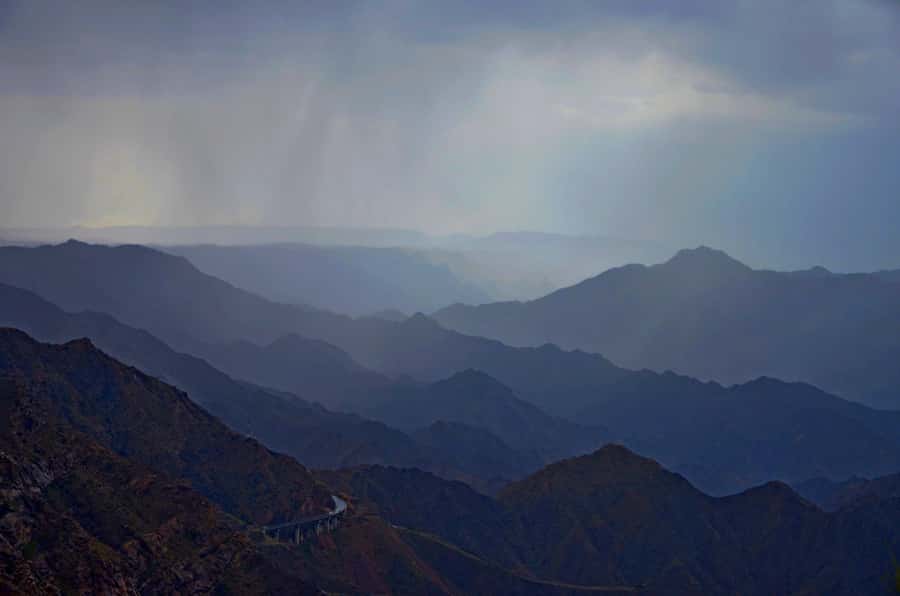
- Jabal Sawda reaches about 3,000 meters above sea level, with mist, mountain air, green trees, and shrubs.
- El Sahab Park means cloud park, and clouds may move right across the viewpoints.
- Rijal Almaa has about 60 multi-story palaces built from stone, clay, and wood.
- The village museum occupies a restored fort, with displays labeled in both Arabic and English.
- The cable car is optional and costs extra, though the ride takes about 20 to 25 minutes each way.
- The group is limited to five people, with hotel pickup in an air-conditioned van.
Why this Abha tour works well
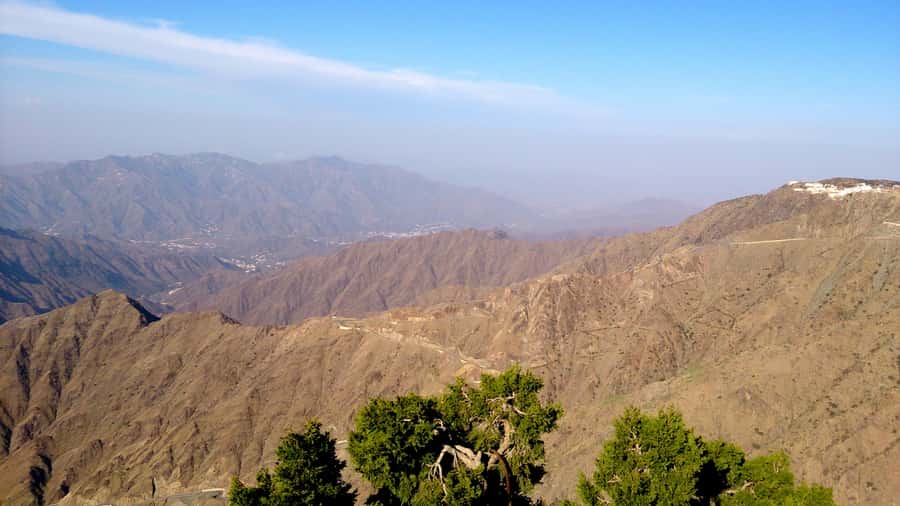
Abha is not just a city sightseeing stop. Its appeal comes from altitude, weather, mountain roads, and old settlements that look very different from the modern centers of Saudi Arabia. This outing gives you a useful mix: high viewpoints first, then a historic village where the buildings themselves tell the story.
I especially like the way the tour leader remains with you from the hotel pickup through the return journey. The driver is expected to explain what you are seeing along the road, not simply point the van toward the next stop. That matters in Aseer Province, where the drive between places is part of the experience.
The small group size also helps. With no more than five participants, you should have room to ask for a photo stop or spend longer in the museum if your interests lean toward architecture and local history. The tour can be adjusted to suit your preferences, within the limits of the six-hour schedule.
One detail deserves careful attention before booking. The experience is described as a full-day tour, but the stated duration is six hours. Since Rijal Almaa lies about 130 kilometers from Abha by the safer road, the day includes substantial driving. You should confirm the departure time and planned stop lengths if you want plenty of time in the village.
More History Tours in Saudi Arabia:
- Red Sand Adventure 4×4 (Camel Ride ,Quad Biking, Heritage House)
★ 5.0 · 135 reviews - Visiting The Incredible Heritage Site Hegra in AlUla
★ 4.6 · 93 reviews - Madinah Culture & History Tour – Led by Local Guide
★ 5.0 · 74 reviews
Reaching Jabal Sawda at 3,000 meters
The first major stop is Jabal Sawda, described as the highest point in Saudi Arabia at about 3,000 meters above sea level. The attraction here is the change in air and scenery. You move from Abha toward cooler mountain country, where mist can cover the ridges and valleys.
At this height, the weather may be much colder than you expect. Bring a jacket, and consider carrying a blanket if you are sensitive to cold. Rain and mist are part of the appeal, but they can also reduce visibility. The mountain stop is best understood as an atmospheric experience rather than a guarantee of clear, distant views.
You can expect green trees and shrubs along the higher ground, along with steep mountain views and valleys softened by cloud. The quiet and cooler air may be a welcome break after warmer parts of Saudi Arabia. If you enjoy broad views, take a little time to look beyond the nearest viewpoint rather than rushing straight back to the van.
The tour leader can explain the sights on the road and provide context about the region. That is useful here because the weather can change the appearance of the mountains from one moment to the next. A clear day may give you long views, while a cloudy visit offers a more enclosed, dramatic setting.
The optional cable car ride over Abha
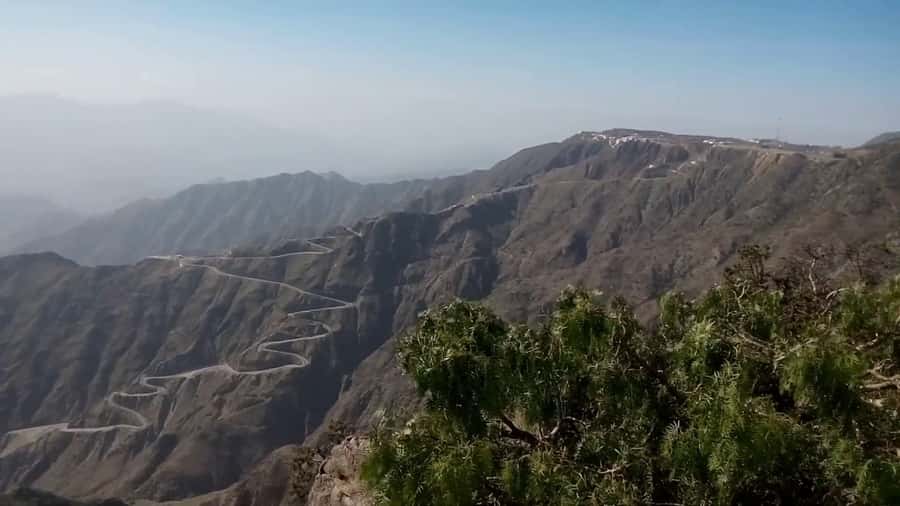
A cable car ride is available for an extra ticket. Each car can hold about eight adults comfortably, and the journey takes roughly 20 to 25 minutes downhill, followed by a similar ride back to the top.
The ride gives you a different view of Abha from above. You see the slopes, valleys, and changing weather from a position that a road journey cannot match. If the clouds are moving through the mountains, the cable car can feel especially memorable.
Still, this option affects both your budget and your timing. The cable car is not included in the advertised price, and a round trip may use close to an hour of your six-hour day. Ask your tour leader how the ride fits into the schedule before buying the additional ticket.
This is also one of the parts of the tour most affected by weather and operating conditions. The supplied information does not promise a ride in every situation, so you should treat it as an optional addition rather than the main reason to book.
Walking through the clouds at El Sahab Park
El Sahab Park sits above a mountain, and its name translates as cloud. The setting delivers exactly the sort of weather its name suggests: clouds may pass directly across the viewpoints, giving you the chance to walk through mist rather than simply look at it from below.
There are two top viewpoints on the hill, located close to each other. That makes the stop fairly easy to explore within a limited schedule. You can move between the viewpoints, take photographs, and enjoy the shifting views without needing a long walk between separate sites.
The weather is the star here. On a clear day, you may see farther across the mountains. When cloud settles in, the experience becomes cooler and more enclosed. I would bring a light waterproof layer as well as a warm jacket, though the supplied details only specifically advise jackets and blankets for the cold at Jabal Sawda.
An optional lunch stop can be arranged at a restaurant in El Sahab Park. Lunch is not listed as included, so plan to pay separately. The tour leader can recommend a place, which is useful if you do not want to spend part of the day searching for food.
You may also see monkeys around the viewpoints. The tour information says they expect food, but feeding wildlife is a personal choice and can create unwanted attention. Keep your belongings secure and follow any local guidance.
More city tours in Saudi Arabia:
- Al Madinah: City Sightseeing Hop-On Hop-Off Bus Tour
★ 3.9 · 148 reviews - City Sightseeing Al Madinah Hop-On Hop-Off Bus Tour
★ 3.0 · 50 reviews - Jeddah: Al-Balad Old Town Historical City Guided Tour
★ 5.0 · 47 reviews - Riyadh Full City Tour
★ 5.0 · 22 reviews
The long road to Rijal Almaa Village
After the mountain stops, the tour continues to Rijal Almaa. The village is about 130 kilometers from Abha by the safer road. A shorter route of about 65 kilometers is described as unsafe, so the tour uses the longer road.
That distinction is important. The safer route adds driving time, but it is the sensible choice. You should not judge the tour by distance alone. The journey is part of the day, and your time in Rijal Almaa depends on traffic, road conditions, weather, and the length of the earlier stops.
The air-conditioned van is helpful on this transfer, particularly if you have spent time in cold, damp mountain weather and then return to warmer conditions. An English or Arabic-speaking tour leader drives and explains the sights along the way.
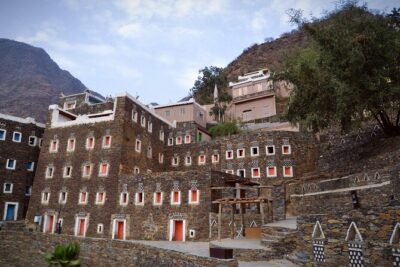
The village itself is one of the strongest reasons to choose this experience. Rijal Almaa is known for traditional Aseeri architecture, with tall houses made from natural stone, clay, and wood. About 60 palaces make up the settlement, and many rise several floors high.
These are not isolated decorative buildings placed for display. The village developed as a passage between Yemen, Makkah, Madinah, and the Levant, making it an important regional trade center. Its old fortresses and substantial homes reflect that role.
Photographing the stone, clay, and wood palaces
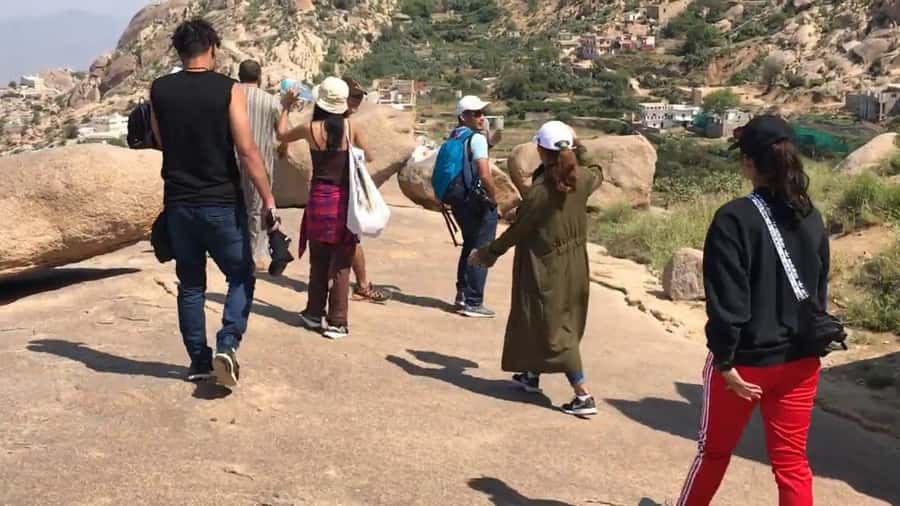
Rijal Almaa is a rewarding place for anyone interested in architecture or photography. The buildings have a strong visual character, with layered construction, stone walls, wooden details, and tall façades grouped closely together.
Your tour leader can take you to panoramic spots for photographs. That is a practical advantage, especially if you have limited time and want more than the obvious first view of the village. Ask for a few minutes to frame the settlement from a distance before walking among the buildings.
The village has been placed on Saudi Arabia’s tentative list for UNESCO World Heritage consideration. That does not mean it is a UNESCO World Heritage Site, but it signals the importance of its architecture and cultural setting.
A rehabilitation project has been carried out through cooperation between the Saudi Commission for Tourism and Antiquities and the private sector. The work has helped prepare the village for tourism while keeping attention on its older structures.
You should allow yourself time to look closely. Stone walls can appear simple from a distance, but the combination of materials and the height of the palaces gives the village its identity. The best visit is not a quick photo stop followed by an immediate departure.
Inside the village museum in a restored fort
The village museum occupies one of the old forts. Local residents established it in 1985 to protect the area’s heritage, turning an existing historic building into a place for preserving objects and stories from the region.
The museum contains old pieces, with descriptions in Arabic and English. That bilingual labeling makes the visit more useful if you do not read Arabic. You can connect the objects inside with the houses and fortifications outside, rather than treating the museum as a separate attraction.
I value the local role in the museum’s creation. It gives the village a stronger sense of place than a display built entirely from outside. The museum is also a good counterpoint to the viewpoints, since it shifts your attention from scenery to the people and traditions that shaped the settlement.
The available information does not list the individual objects or the size of the collection, so do not book expecting a large national museum. Think of it as a focused local museum inside a historic fort. Its strength is the setting and its connection to Rijal Almaa.
What the $380 price includes
At $380 per person, this is not a budget sightseeing trip. The value depends heavily on how much you value private attention, hotel pickup, safe transport, and a flexible route.
The price includes transfers from your hotel in Abha in a modern air-conditioned van, an English or Arabic-speaking tour leader and driver, entrance fees, service charges, and taxes. The group limit is five participants, which can make the cost easier to justify for a small family or group of friends who want a more personal outing.
The itinerary can be adjusted to your preferences. You might give more time to Rijal Almaa, include the cable car if the schedule allows, or ask for a lunch recommendation at El Sahab Park. The exact flexibility is not unlimited, since the tour lasts six hours and includes a long drive, but it is more adaptable than a large coach excursion.
The cable car is the major extra expense mentioned. Lunch is also optional and not included. If you want the cable car, ask for its current ticket price before setting your total budget.
The strongest proof of the service is the arrangement described by a verified booking from September 2022. The driver was waiting at the hotel entrance and gave full information about the area. Fatima was the contact during the trip. That kind of clear meeting arrangement is valuable in a place where a late or unclear pickup can waste a large part of the day.
Who should book this six-hour outing
I would recommend this tour to you if you want Abha’s main mountain sights combined with a serious cultural stop. It suits first-time visitors who prefer having transport and route planning handled for them, especially because the safer road to Rijal Almaa is much longer than the unsafe shortcut.
It is also a good fit for photographers, architecture fans, and anyone drawn to weather and high places. Jabal Sawda and El Sahab Park offer very different moods from the old village, so the day does not feel like a series of similar viewpoints.
Families and small groups may appreciate the five-person limit and the wheelchair-accessible designation. You should still confirm the practical details of access for each stop if mobility is a major concern, since mountain viewpoints, cable cars, and historic forts can have different conditions.
I would hesitate if you want a slow village visit with many hours to wander. The combination of six hours, mountain stops, a possible cable car ride, and the 130-kilometer road to Rijal Almaa means the schedule can feel full. You should also reconsider if $380 per person is beyond your sightseeing budget.
Free cancellation up to 24 hours before the tour and reserve-now, pay-later terms provide useful flexibility. Starting times depend on availability, so check the exact departure before committing.
Should you book the Abha and Rijal Almaa tour?
Book it if you want a guided overview of Aseer Province, value hotel pickup and personal explanations, and do not mind paying for convenience. The best parts are the high mountain setting, clouds at El Sahab Park, and the unusual old palaces of Rijal Almaa.
Skip it if you would rather rent your own transport, spend a full day at one place, or avoid optional costs such as the cable car. Before booking, confirm how the six-hour duration is divided between Jabal Sawda, El Sahab Park, the road journey, the museum, and the village itself.
For many visitors, this is a useful first look at Abha: cool mountain air, shifting mist, a glimpse from a cable car if you choose to pay extra, and a historic settlement that feels far removed from a modern city tour.
FAQ
How long does the tour last?
The stated duration is six hours, although the experience is also described as a full-day tour. Confirm the starting time and schedule when booking.
What places does the tour visit?
The tour visits Jabal Sawda, El Sahab Park, Rijal Almaa Village, and the village museum.
How high is Jabal Sawda?
Jabal Sawda is described as being about 3,000 meters above sea level and the highest point in Saudi Arabia.
Is the cable car included?
No. The cable car requires an extra ticket. The ride takes about 20 to 25 minutes downhill and a similar time to return.
How many people can join the tour?
It is a small-group experience limited to five participants.
Is hotel pickup provided?
Yes. Transfers are provided from your hotel in Abha in a modern air-conditioned van.
Which languages are available?
The live tour guide service is available in Arabic and English.
Is lunch included?
Lunch is not listed as included. Your tour leader can recommend a restaurant at El Sahab Park.
How far is Rijal Almaa from Abha?
Rijal Almaa is about 130 kilometers from Abha by the safer road. A shorter route of about 65 kilometers is described as unsafe and is not used.
Is the tour wheelchair accessible?
The activity is listed as wheelchair accessible. You may wish to confirm access conditions at the mountain viewpoints, cable car, and historic museum before booking.
Just added in Saudi Arabia
- Wadi Lajab Canyon Hiking Tour★ 5.0 · 2 reviews
- Uncover the Rich Heritage of Diriyah, the city of Earth.★ 5.0 · 1 review
- Wadi Disah Adventure (from Tabuk)★ 5.0 · 1 review
- Discover Taif City★ 5.0 · 4 reviews
- Historical Landmark in Tabuk Region Full Day Tour★ 5.0 · 2 reviews
- Full day Jabal Al Lawz with Biblical Sites visit★ 5.0 · 2 reviews
- The Amazing Asfar Lake at Al Ahsa Desert★ 5.0 · 1 review
- Visit Taif The City of Roses★ 5.0 · 2 reviews
Historical Tours, compared.
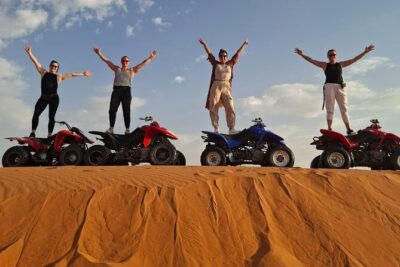
Red Sand Adventure 4×4 (Camel Ride ,Quad Biking, Heritage House)
Read our review →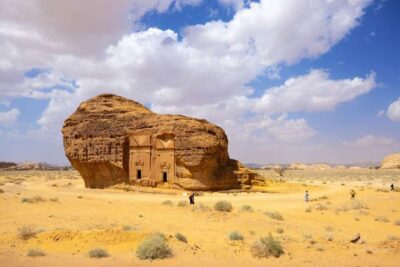
Visiting The Incredible Heritage Site Hegra in AlUla
Read our review →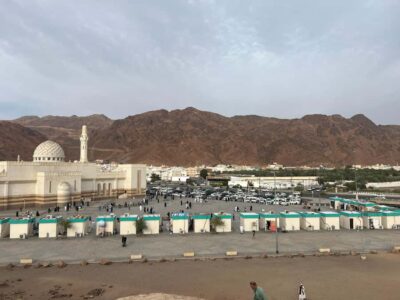
Madinah Culture & History Tour – Led by Local Guide
Read our review →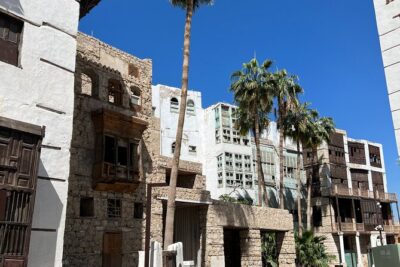

Historic District Tour in Jeddah by a Local Guide
Read our review →
Historical & Heritage Tour in Abha- Rijal Almaa Village
Read our review →
Private Tour in Historical Jeddah (ALBALAD) إكتشف جدة التاريخيه
Read our review →Browse the lists this tour appears in